Why Food Tours Are Having a Moment
Travelers are increasingly swapping generic sightseeing for something far more flavorful. Food tourism continues to grow as more people seek immersive, neighborhood-level experiences that connect them with local culture, small businesses, and the stories behind what's on the plate. Guided culinary tours have become one of the most effective ways to tap into that appetite for authenticity — and they're reshaping how we plan our trips.
Whether you're exploring a city for the first time or returning to a destination you thought you already knew, a well-chosen food tour can reveal an entirely different side of a place.
How to Pick the Right Food Tour for Your Travel Style
Not all food tours are created equal, and the best one for you depends heavily on what kind of traveler you are. Some tours are fast-paced and cover a wide neighborhood sweep, while others are slow, intimate, and laser-focused on a single cuisine or cultural community.
Consider these questions before booking:
- Do you prefer walking or riding? Many urban food tours are walking-based, covering several blocks and multiple stops. Others use bikes, tuk-tuks, or even boats.
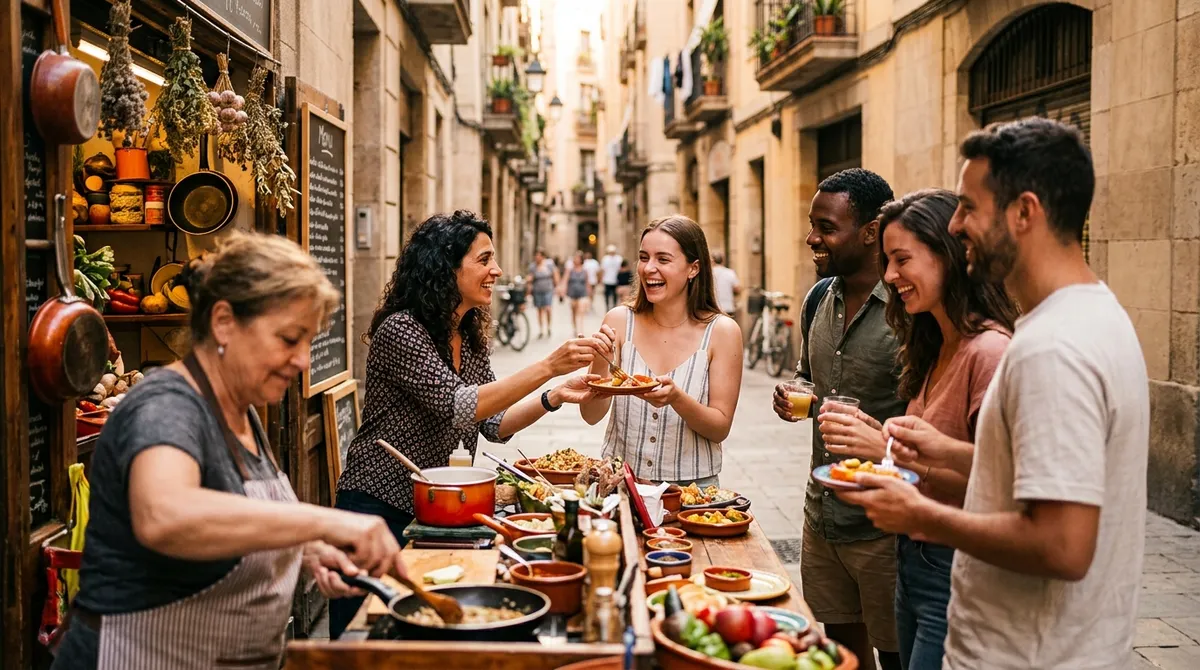
- Are you looking for fine dining or street food? Some tours lean into high-end tastings, while others are all about market stalls and hole-in-the-wall spots.
- How important is storytelling to you? The best guides don't just hand you food — they weave in history, culture, and neighborhood context that makes each bite more meaningful.
- Group size matters. Smaller tours tend to offer a more personal experience and better access to vendors and chefs.
Reading recent reviews and checking whether a tour highlights local, independent businesses rather than tourist traps can also help you separate the standout experiences from the filler.
Why a Food Tour Is the Fastest Way to Understand a City
Food is one of the most direct windows into a culture. A single neighborhood food tour can introduce you to immigrant communities that shaped a city's identity, historic markets that have survived for generations, and local ingredients you'd never find on a restaurant menu.
Unlike a museum visit or a bus tour, eating is participatory. You're not just observing a place — you're literally taking it in. That sensory connection tends to make destinations more memorable and travel more meaningful.
Food tours also offer built-in local expertise. A knowledgeable guide can help you navigate language barriers, explain unfamiliar dishes, and point you toward spots worth revisiting on your own later in the trip.
What to Bring and How to Prep
A little preparation goes a long way toward getting the most out of a culinary tour. Here's what seasoned food travelers recommend:
- Arrive hungry. This sounds obvious, but skipping a big meal beforehand means you'll actually be able to enjoy each stop. Most tours include enough food to constitute a full meal across multiple tastings.
- Wear comfortable shoes. Walking tours can cover significant ground, often across cobblestones, market floors, or hilly terrain.
- Bring cash. Many of the small vendors and family-run spots featured on food tours operate cash-only. Having small bills on hand is helpful if you want to purchase extra items.
- Tell your guide about dietary restrictions in advance. Reputable tour operators will do their best to accommodate allergies or preferences when given notice ahead of time.
- Take notes or photos. You'll likely want to return to some of these spots — or recreate dishes at home — so capturing names and details in the moment saves you from scrambling later.
Red Flags to Watch Out For
Not every food tour lives up to its promise. According to reports, travelers should be cautious of tours that rely heavily on chain restaurants or sponsored stops rather than genuinely local establishments. If a tour's itinerary reads like a list of places you could find anywhere, that's a sign it may not deliver the authentic neighborhood experience you're after.
Other red flags include overly large group sizes that make it hard to interact with vendors, guides who lack genuine knowledge of the food or culture they're presenting, and tours with vague or secretive stop lists. Transparency is usually a good indicator of quality.
Make Culinary Travel Part of Every Trip
Adding a food tour to your itinerary doesn't have to be a one-time novelty. Many frequent travelers now treat culinary experiences as a first-day ritual — a way to get oriented in a new place, meet fellow travelers, and build a mental map of where to eat for the rest of the trip.
Whether you're planning a cross-country adventure or a weekend city break, seeking out local flavors through a guided food experience is one of the most rewarding things you can do as a traveler. Your taste buds — and your understanding of the world — will thank you.