The Hidden Danger in Hotel Rooms
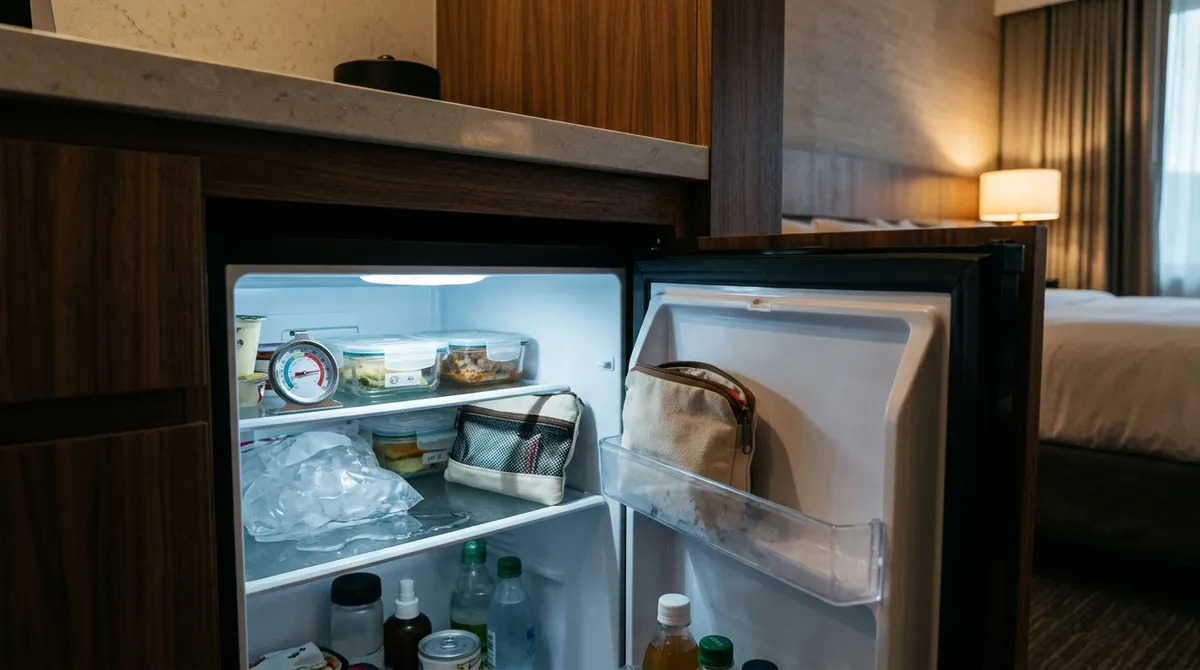
That mini fridge in your hotel room might not be keeping your food as safe as you think. According to experts, many hotel mini fridges are actually beverage coolers that only cool to 50–60°F rather than the food-safe temperature of 40°F, creating potential bacterial growth risks for leftovers, medications, and other temperature-sensitive items.
With travel booming in the post-pandemic era, more families and health-conscious travelers are storing food, breast milk, and medications in hotel rooms, making this temperature issue a timely safety concern that could affect your health on the road.
Understanding the Temperature Danger Zone
Food safety experts emphasize the importance of the "temperature danger zone" – the range between 40°F and 140°F where bacteria can multiply rapidly. When hotel mini fridges only cool to 50–60°F, they're operating squarely within this danger zone, potentially allowing harmful bacteria to grow on stored food items.
This temperature difference becomes particularly critical when following the two-hour rule, which states that perishable foods should not be left at unsafe temperatures for more than two hours. Even in hotel rooms, this rule applies, and a beverage cooler masquerading as a refrigerator could compromise food safety.
How to Identify a Real Refrigerator vs. Beverage Cooler
Experts suggest using the glass-front trick to identify whether your hotel mini fridge is actually a beverage cooler. Additionally, checking for a compressor can help determine if the unit is designed for proper refrigeration or merely beverage cooling.
Before your trip, consider adding fridge type inquiries to your pre-booking checklist when contacting hotels. Ask specifically about the temperature capabilities of their mini fridges and whether upgrades to rooms with proper refrigeration are available.
Smart Packing Strategies for Hotel Stays
Understanding what foods are safe to store in a beverage cooler versus what to avoid can help protect your health during travel. According to reports, shelf-stable items like pickles, jerky, and crackers are generally safe to store in cooler temperatures, while cooked leftovers, dairy products, and meat should be avoided in units that don't reach proper refrigeration temperatures.
Workarounds for Travelers
If you find yourself stuck with a beverage cooler instead of a proper refrigerator, experts recommend the ice-bag swap method as a DIY cooling workaround. This technique can help maintain safer temperatures for essential items when proper refrigeration isn't available.
For travelers who regularly need to store medications, breast milk, or other temperature-sensitive items, requesting rooms with verified refrigeration capabilities during booking can prevent potential health risks and travel disruptions.
Planning Your Next Trip
As travel continues to increase, being aware of this hidden hotel hazard can help you make informed decisions about food storage during your stay. Whether you're a family traveling with young children, someone who requires medication storage, or simply a traveler who likes to keep leftovers, understanding the limitations of hotel mini fridges is crucial for maintaining food safety on the road.
By incorporating these safety checks and strategies into your travel routine, you can better protect yourself and your family from potential foodborne illness risks while enjoying your hotel stay.