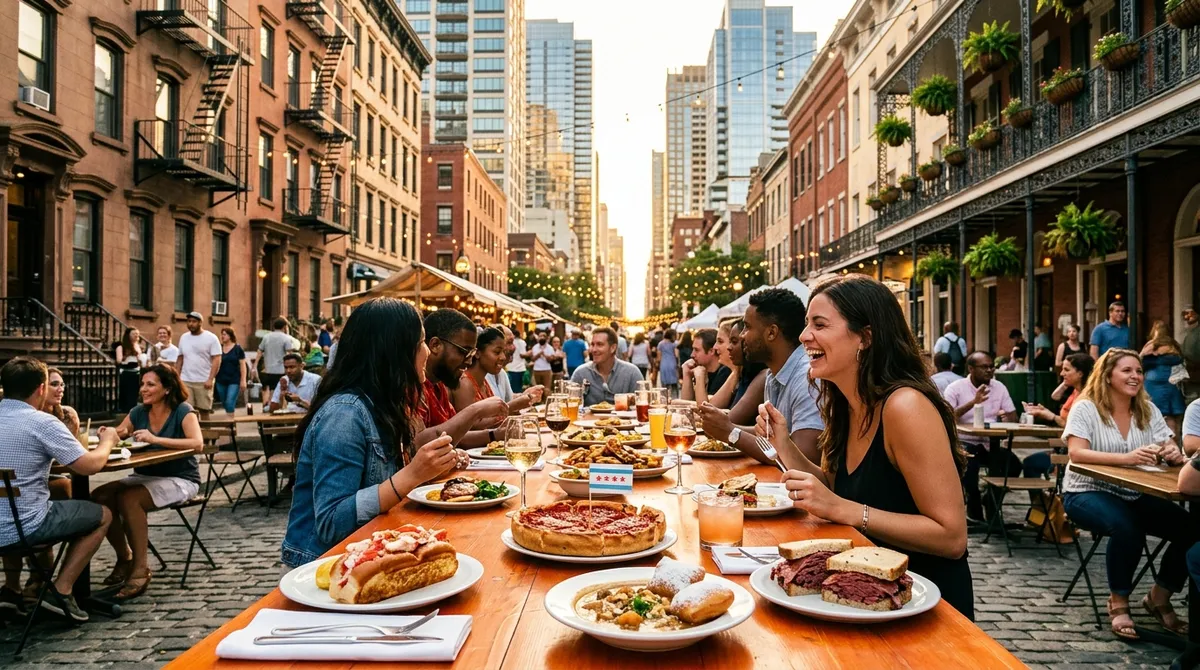
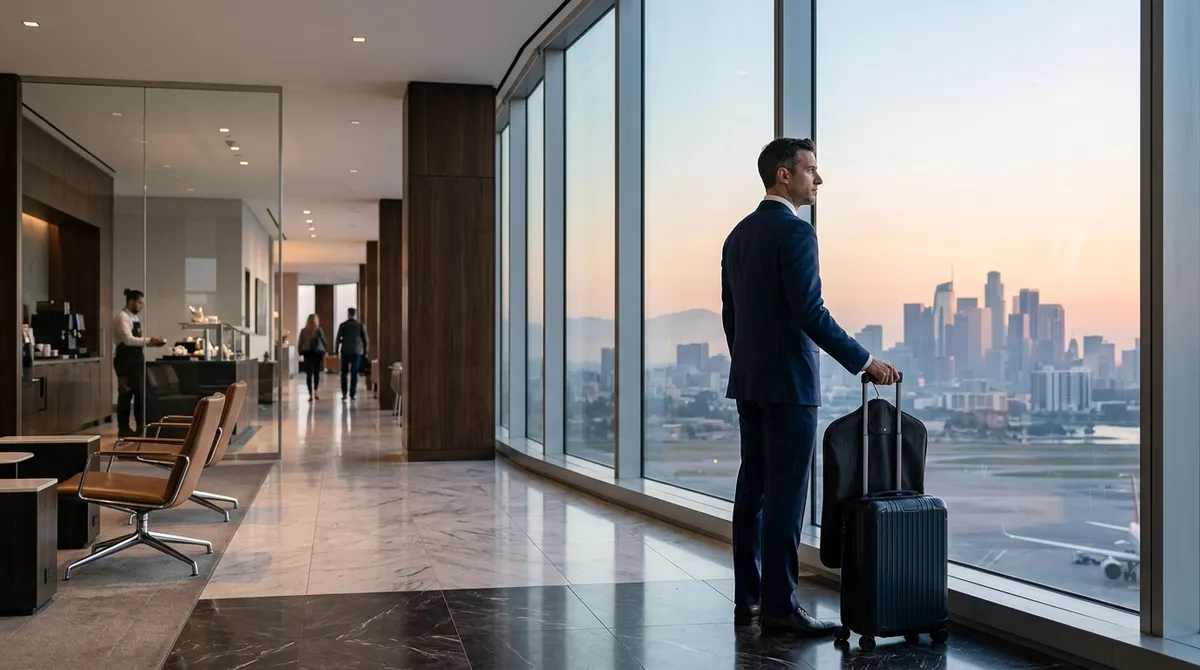
The landscape of business travel in the United States is undergoing significant changes, with a new forecast shedding light on future trends in major cities. As the economy continues to recover, key destinations like New York City, Los Angeles, Miami, Chicago, Las Vegas, and San Francisco are expected to see slow growth in business travel by 2025. This shift presents both challenges and opportunities for the travel industry as it adapts to evolving market conditions.
Current Trends in Business Travel
Business travel has been on a gradual recovery path after the disruptions caused by global events. However, the pace of this recovery varies across different regions and sectors. The U.S. Travel Association anticipates that the growth in business travel will remain sluggish in the near term, especially in major urban centers where tourism and hospitality play pivotal roles.
New York City: A Case Study
New York City, a hub for international business and tourism, is projected to face challenges in regaining its pre-pandemic business travel figures. The city's reliance on international visitors and large-scale events means that any delays in these sectors could impact overall growth. Efforts to boost domestic travel and diversify offerings might be key to overcoming these hurdles.
Los Angeles and the Entertainment Industry
Los Angeles, with its strong ties to the entertainment industry, is another city where business travel is expected to grow slowly. The city's economy is intertwined with film, media, and tech sectors, which are gradually adapting to new business models post-pandemic. Continued innovation and investment in hybrid events could provide a pathway to recovery.
Miami and the Shift Toward Leisure Travel
Miami's blend of business and leisure travel makes it a unique case. While business travel may not see rapid growth, the city's appeal as a tourist destination could help balance economic impacts. Emphasizing Miami's cultural attractions and natural beauty could attract more visitors who mix work with leisure.
Chicago: A Midwest Powerhouse
Chicago, known for its robust financial and industrial sectors, is also navigating slow growth in business travel. The city's strategic location and diverse economy position it well for recovery, yet challenges remain in attracting large conferences and meetings. Building on its strong local market could be crucial for future growth.
Las Vegas: The Convention Capital
Las Vegas, famous for its conventions and entertainment, faces similar hurdles. While leisure travel rebounds, business events are slower to return. The city's focus on creating safe, engaging experiences for visitors could help accelerate recovery in business travel by attracting new types of events and conferences.
San Francisco and the Tech Industry
San Francisco's reliance on the tech industry poses unique challenges. With many companies adopting remote work policies, business travel demand may remain subdued. However, the city's role as a tech innovation hub means it could lead in developing new travel technologies and solutions, potentially spurring growth in business travel.
Strategies for Future Growth
To address these challenges, cities and businesses must adopt innovative strategies. Enhancing digital infrastructure, promoting hybrid events, and leveraging local attractions are some methods that could stimulate business travel. Additionally, fostering partnerships between public and private sectors can drive targeted marketing efforts and investments to revitalize the industry.
Conclusion
The future of business travel in major U.S. cities is poised for gradual change. While current forecasts suggest slow growth, the potential for innovation and adaptation remains strong. By embracing new technologies and focusing on both business and leisure travel, these cities can navigate the evolving landscape and emerge more resilient than before.