
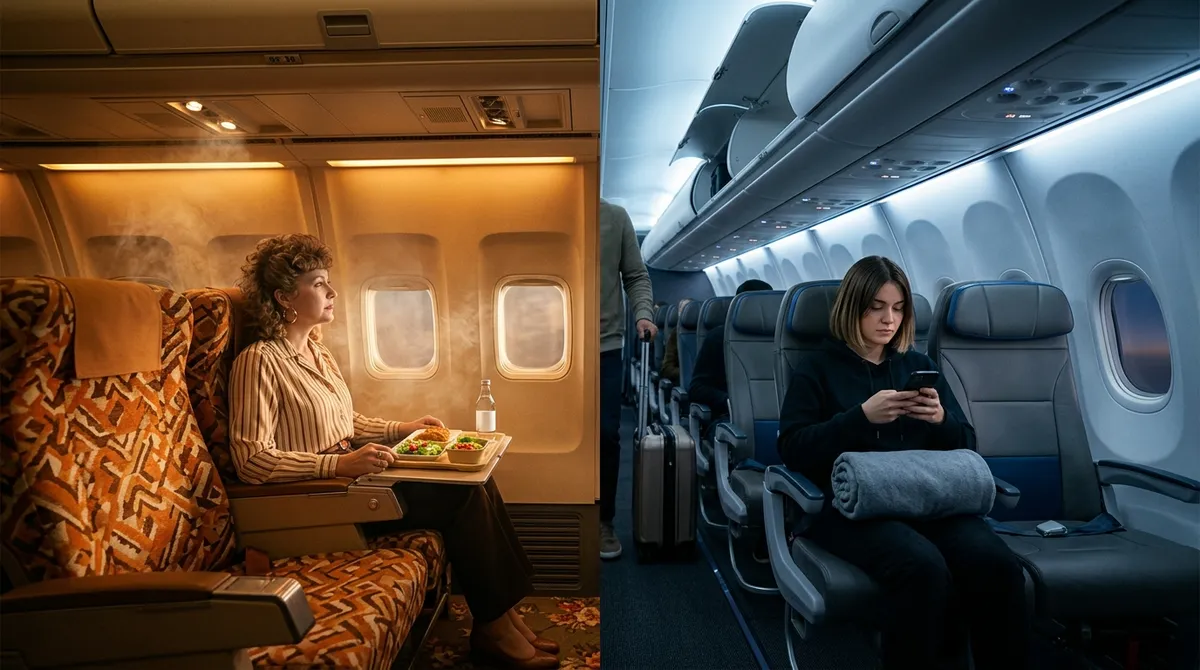
The Golden Age Myth vs Reality
As modern travelers endure baggage fees, cramped quarters, and reduced service, nostalgia for "the golden age of flying" is experiencing a resurgence. According to reports, the 1980s airline experience offers a fascinating contrast to today's aviation landscape, with both dramatic shifts and surprising continuities shaping how we travel.
The cultural resonance of this comparison has grown stronger as contemporary air travel frustrations mount, making the 1980s seem increasingly appealing by contrast. But how different was flying really four decades ago?
What Airlines Used to Offer
According to reports, the 1980s flying experience included several perks that modern travelers rarely encounter. Free meals were standard on most flights, regardless of duration or class. Passengers enjoyed significantly more legroom, with cabin layouts designed for comfort rather than maximum capacity.
Perhaps most shocking to today's health-conscious travelers, smoking sections were a normal feature of aircraft cabins. This practice, which would "never fly today" both literally and figuratively, represented a completely different era of aviation culture and regulation.
The Modern Aviation Reality
Today's airline industry operates under fundamentally different principles. Budget carriers have reshaped passenger expectations, while legacy airlines have adopted many cost-cutting measures that were unthinkable in the 1980s. Seat pitch has decreased considerably, and amenities that were once complimentary now come with additional fees.
The transformation didn't happen overnight. According to reports, specific moments marked major shifts in the industry, including deregulation and the rise of budget carriers, though the exact timeline of these changes varied across different aspects of the flying experience.
Visual Differences Tell the Story
The most striking comparisons emerge when examining before-and-after visuals of cabin layouts, seat configurations, and available amenities. Modern aircraft prioritize efficiency and passenger volume over the spacious designs of previous decades.
These visual differences extend beyond just physical space. The overall aesthetic and service philosophy of 1980s aviation reflected different priorities and economic models that shaped every aspect of the passenger experience.
Debunking the Nostalgia
While it's easy to romanticize the past, reports suggest that not everything about 1980s flying was superior. The nostalgia myth overlooks real downsides that existed during that era, though specific details about these drawbacks remain part of ongoing historical examination.
Modern aviation has brought improvements in safety technology, fuel efficiency, and accessibility that weren't available four decades ago. The challenge lies in separating genuine improvements from changes that primarily benefit airline economics rather than passenger experience.
Cultural Impact and Modern Reactions
The contrast between eras has become a source of cultural commentary, with many modern travelers expressing fascination when exposed to footage or photos from 1980s flights. According to reports, reaction content highlighting these differences resonates strongly with audiences experiencing contemporary travel frustrations.
This cultural moment reflects broader questions about service standards, consumer expectations, and the trade-offs between affordability and comfort in modern aviation.
Looking Forward
As the aviation industry continues evolving, the 1980s comparison serves as both historical context and cultural touchstone. Understanding what changed—and what hasn't—over these four decades provides valuable perspective on current travel experiences and future industry directions.
While we can't return to the smoking sections and service models of the past, the comparison highlights ongoing debates about passenger rights, service standards, and the true cost of budget travel in today's aviation landscape.