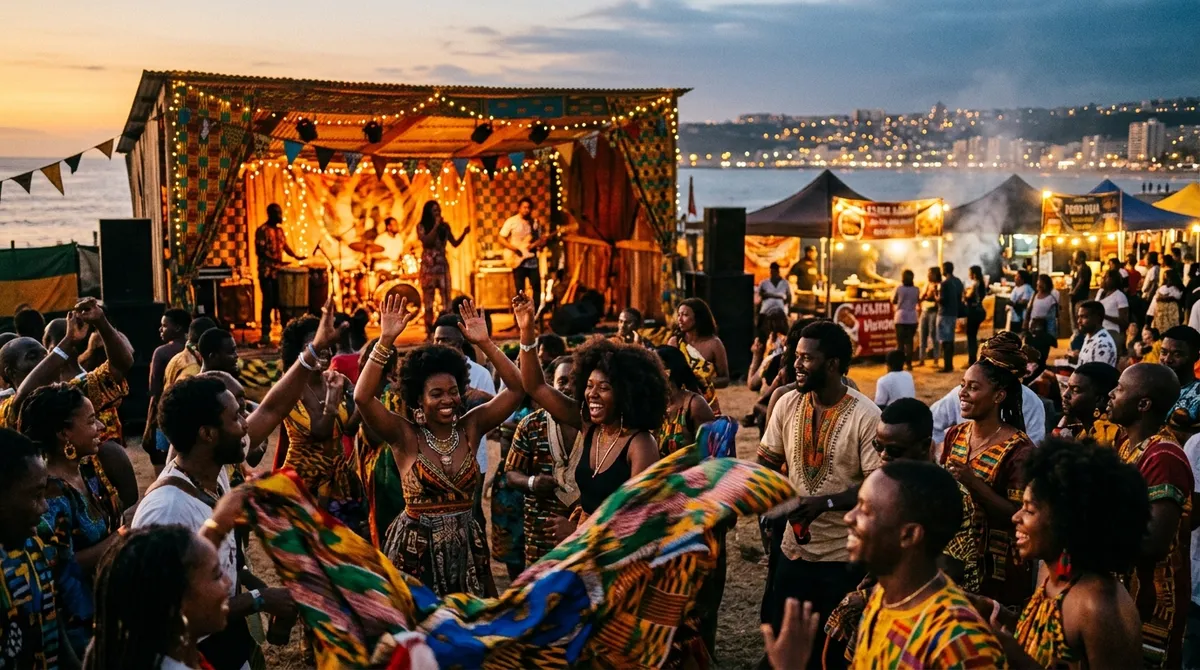
Africa's live music festivals are becoming powerful travel motivators, turning concerts into complete cultural journeys. From coastal jazz stages to desert gatherings, festival tourism is helping destinations attract global visitors, extend stays, and showcase local identity through sound, food, nightlife, and community experiences.
Live Music Is Redefining Travel Across Africa
Travelers no longer choose destinations only for beaches, safaris, landmarks, or luxury resorts. Increasingly, they plan trips around music calendars. Across Africa, live events have become anchors for holidays, city breaks, group travel, and cultural exploration.
This shift reflects a wider change in tourism behavior. Visitors want trips with emotional value. They look for moments they can remember, share, and connect with. A festival offers all of that in one place. It combines performance, local culture, cuisine, fashion, nightlife, and social energy.
For African destinations, this trend creates fresh opportunities. A strong festival can raise a city's international profile. It can also encourage travelers to visit during shoulder seasons, when hotels and tour operators need demand. Music-led tourism supports local businesses and helps destinations stand out in a competitive global market.
Why Music Festivals Influence Travel Decisions
Live music creates urgency. A beach, museum, or natural landmark may be available all year. A festival happens on fixed dates. That limited-time appeal pushes travelers to book flights, accommodation, and experiences around a specific event.
Festival travelers also tend to build wider itineraries. Someone attending a live music event may add a safari, heritage tour, island stay, food experience, or shopping trip. This turns a concert weekend into a longer holiday. As a result, spending spreads through transport providers, restaurants, guesthouses, guides, markets, and creative communities.
Another key factor is identity. African music has gained extraordinary international visibility through Afrobeats, amapiano, Afro-house, highlife, jazz, reggae, gospel, and traditional fusion. Fans often want to experience these sounds where they were shaped. That desire makes music a bridge between entertainment and cultural travel.
Major Festival Cities Are Building Global Appeal
Several African cities have strengthened their destination brands through live music. Cape Town is widely recognized for its vibrant arts calendar, scenic setting, and world-class hospitality. Events such as jazz and contemporary music gatherings bring visitors into the city's hotels, restaurants, waterfront districts, and cultural neighborhoods.
Lagos has become a major magnet for fans of Afrobeats and urban African music. Its nightlife, fashion scene, beach culture, and creative industries give travelers much more than a stage performance. For many visitors, attending a live event in Lagos feels like entering the heart of one of the world's most influential music movements.
In East Africa, destinations such as Zanzibar and Kampala have also benefited from festival-driven travel. Zanzibar combines music with heritage streets, spice tours, island resorts, and Swahili culture. Uganda's creative gatherings attract adventurous audiences interested in experimental sounds, youth culture, and regional collaboration.
Morocco's music events add another dimension. Cities such as Rabat, Essaouira, and Marrakech blend global artists, North African rhythms, historic architecture, and culinary tourism. This mix allows Morocco to appeal to both culture seekers and mainstream leisure travelers.
Music Tourism Supports Local Economies
The economic value of music festivals goes well beyond ticket sales. When visitors arrive for an event, they need places to sleep, eat, shop, and move around. Hotels see higher occupancy. Restaurants gain new customers. Taxi operators, ride-hailing drivers, and airport transfer companies benefit from increased movement.
Local vendors also play a major role. Food stalls, craft sellers, fashion designers, photographers, makeup artists, stage technicians, security teams, and event crews all form part of the festival economy. A successful event can generate income for hundreds or even thousands of workers.
In some destinations, festivals also encourage infrastructure improvements. Organizers may invest in better venues, sound systems, lighting, payment platforms, crowd control, and safety planning. Local authorities may improve roads, signage, public spaces, and transport coordination to support visitor flow.
For small towns and emerging destinations, music tourism can be especially valuable. A well-positioned festival can put a lesser-known place on the travel map. It gives media, influencers, and visitors a reason to talk about the destination beyond traditional attractions.
Festivals Present Africa as a Cultural Powerhouse
Africa's festival scene is not only about entertainment. It is also a form of cultural storytelling. Live events allow artists to present heritage in modern ways. Traditional instruments may meet electronic production. Local languages may reach international audiences. Regional dance styles may become global trends.
This cultural exchange strengthens destination appeal. Travelers increasingly want meaningful experiences rather than passive sightseeing. At a music festival, they can hear local rhythms, taste regional dishes, meet residents, discover designers, and join a shared celebration.
That sense of participation matters. It helps visitors feel connected to a place. Instead of observing culture from a distance, they become part of a temporary community. This creates strong memories and encourages repeat travel.
Digital Media Is Expanding Festival Reach
Social media has become one of the strongest drivers of festival tourism. Short videos, fan clips, artist announcements, backstage moments, and travel reels can turn a local event into an international attraction. A single viral performance may inspire thousands of people to research the host destination.
Streaming platforms and global music charts also play a role. When African artists reach international audiences online, fans often become curious about their home cities and cultural roots. Festivals then offer a clear reason to travel.
Influencers and content creators amplify this effect. They present festivals as complete lifestyle experiences, not just concerts. Their posts may feature hotels, street food, beaches, markets, nightlife, and travel tips. This positions music festivals as gateways to broader African tourism.
Opportunities for Tourism Boards and Event Organizers
Destinations can gain more from music tourism when tourism boards and festival organizers work together. Joint marketing can package tickets with hotels, flights, city tours, and cultural activities. This makes the trip easier to plan and increases visitor spending.
Clear travel information is also important. International guests need guidance on visas, airport access, transport options, safety, local customs, and event schedules. A strong digital presence can reduce uncertainty and improve booking confidence.
Partnerships with airlines, hotels, restaurants, and tour operators can help festivals grow sustainably. These partnerships create value for travelers while supporting local businesses. They also help destinations prepare for crowd management and service quality.
Community involvement is equally critical. Festivals should benefit residents, not only visitors. When local artists, vendors, neighborhoods, and cultural groups are included, events feel more authentic. They also gain stronger local support.
Challenges That Destinations Must Address
Music-led tourism brings promise, but it also requires careful planning. Safety, transport, sanitation, accommodation capacity, ticketing systems, and emergency response all affect the visitor experience. A poorly managed event can damage a destination's reputation.
Affordability is another concern. As festivals become more popular, prices can rise. Organizers and cities should balance international appeal with local access. If residents feel excluded, the cultural value of the event weakens.
Sustainability also matters. Large gatherings can create waste, noise, emissions, and pressure on local resources. Greener event practices, recycling systems, reusable materials, public transport options, and responsible vendor policies can reduce negative impacts.
The Future of Music-Led Tourism in Africa
Africa is well positioned to grow as a global music tourism hub. The continent has diverse sounds, young creative talent, distinctive cities, and powerful cultural traditions. It also has a fast-growing international fan base for African music.
Future growth will likely come from more curated travel experiences. Visitors may book packages that combine festival access with culinary tours, heritage walks, wellness retreats, beach holidays, wildlife trips, and creative workshops. This will make festival travel more immersive and profitable.
Technology will also shape the next stage. Digital ticketing, mobile payments, travel apps, livestream promotion, and data-driven marketing can improve planning and visitor engagement. Destinations that invest in these tools will compete more effectively for global audiences.
Conclusion
Live music festivals are helping African destinations turn culture into a compelling travel reason. They influence where people go, when they travel, and how deeply they engage with a place. By connecting artists, communities, tourism boards, and local businesses, music-led tourism can generate economic value while celebrating Africa's creative identity. With thoughtful planning, the continent's festival scene can continue attracting global travelers and strengthening destination appeal for years to come.