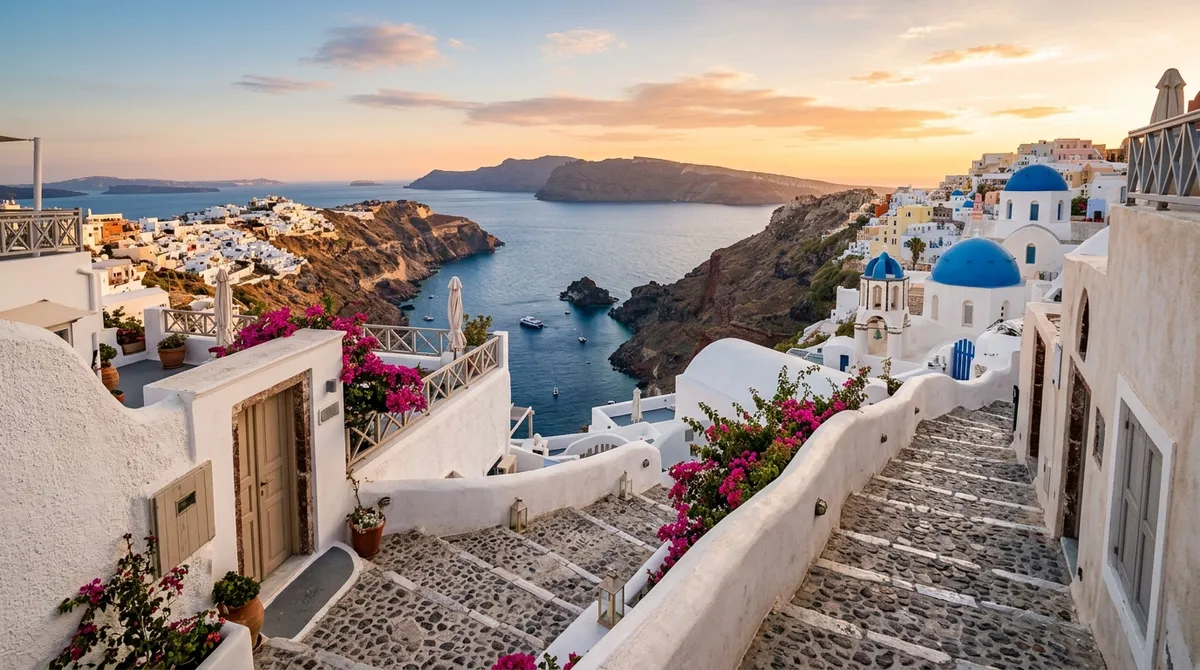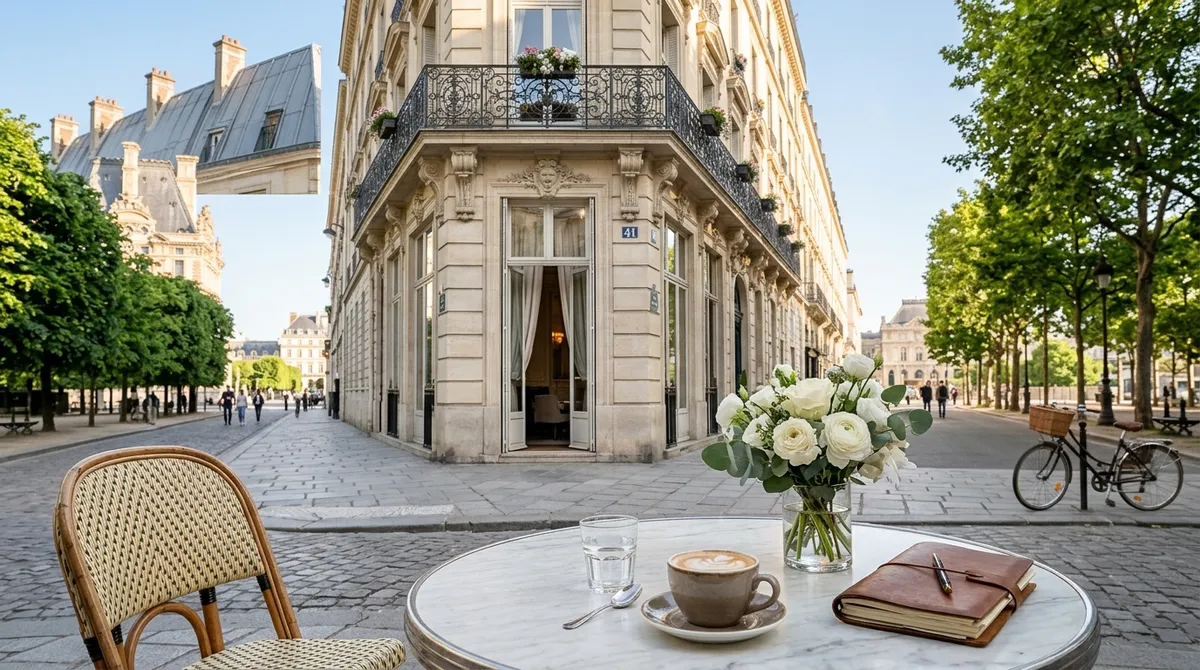
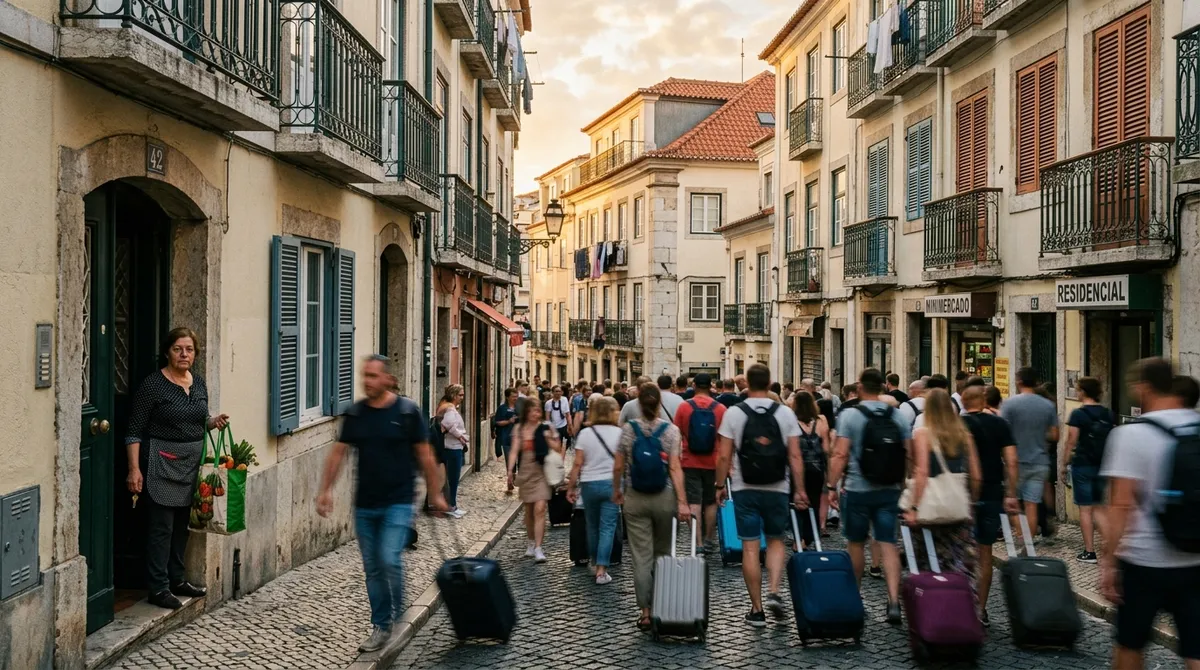
Across Europe, iconic travel destinations are taking decisive steps to address the challenges posed by overtourism and housing shortages. Countries like Italy, France, Spain, and Portugal are leading efforts to implement stringent regulations on short-term rental platforms such as Airbnb. These measures aim to balance the thriving tourist industry with the needs of local communities, ensuring sustainable development and affordable housing for residents.
Challenges of Overtourism in European Cities
Overtourism has become a pressing issue in many European cities, where the influx of tourists often overwhelms local infrastructure and resources. The picturesque streets of Venice, the cultural vibrancy of Barcelona, and the historic charm of Lisbon have all faced significant pressures as visitor numbers continue to rise. These cities are famous for their unique attractions, drawing millions of tourists annually. However, the increasing popularity of short-term rentals has exacerbated the situation, leading to inflated housing prices and displacement of local residents.
Government Responses to Short-Term Rentals
In response to these challenges, European governments are implementing regulations to curb the expansion of short-term rentals. Italy, known for its rich cultural heritage, is considering policies that limit the number of days properties can be rented out annually. Similarly, France is pushing for stricter enforcement of existing laws, which require homeowners to register their properties with local authorities before listing them on platforms like Airbnb. Meanwhile, Spain is focusing on enhancing regulations in popular cities such as Barcelona, where the local government has already imposed fines on unlicensed rentals.
Portugal's Innovative Approach
Portugal is taking a unique approach by targeting specific neighborhoods most affected by tourism. In Lisbon, authorities have proposed zoning laws that restrict short-term rentals in areas suffering from high tourism density. This initiative aims to preserve the character of traditional neighborhoods while ensuring that locals have access to affordable housing options. The Portuguese government is also exploring the possibility of offering tax incentives to landlords who switch from short-term to long-term rentals, thereby encouraging a more stable rental market.
Balancing Tourism and Community Needs
The challenge for these European nations lies in finding a balance between promoting tourism and preserving local communities. Tourism is a vital component of their economies, providing jobs and supporting numerous sectors. However, unchecked growth can lead to negative social and economic impacts. By introducing these regulations, governments aim to foster a more sustainable tourism model that benefits both visitors and residents.
Potential Impact on the Hospitality Industry
The crackdowns on short-term rentals are expected to have significant implications for the hospitality industry. Traditional hotels and guesthouses may see an increase in bookings as restrictions tighten on private rentals. This shift could lead to a more regulated and competitive market, where quality and service standards are prioritized. It also opens opportunities for innovation in the hospitality sector, as businesses adapt to the changing landscape.
The Future of Sustainable Tourism
As Europe continues to grapple with the dual challenges of overtourism and housing shortages, the measures being implemented could serve as a blueprint for other regions facing similar issues. By prioritizing sustainable tourism practices, these countries aim to protect their cultural and natural heritage while ensuring that local communities thrive. The success of these initiatives will depend on effective enforcement and collaboration between governments, local authorities, and the tourism industry.
The concerted efforts by Italy, France, Spain, and Portugal to regulate short-term rentals underscore the importance of sustainable tourism practices. By addressing overtourism and housing crises, these nations are paving the way for a more balanced and equitable future for both residents and visitors.