
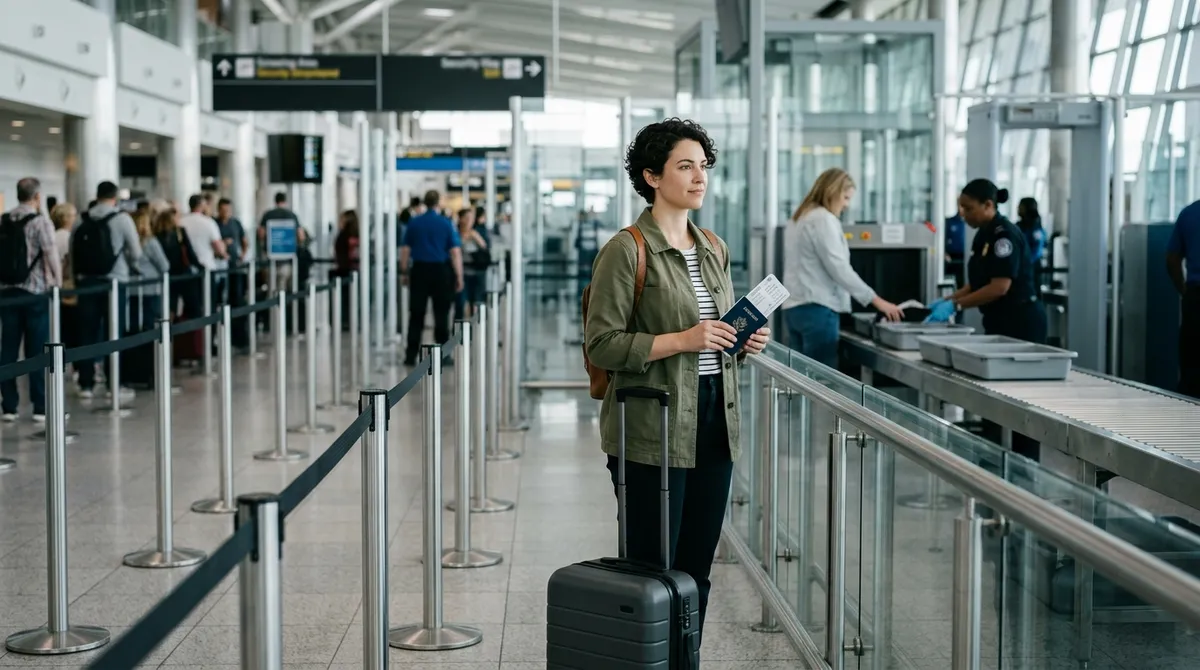
Traveling can be exhilarating, but the last thing you want is to face unexpected stress at the airport. If you've noticed "SSSS" on your boarding pass, you might be feeling a bit anxious about what it means and how it will affect your journey. Fear not! This guide will break down what the Secondary Security Screening Selection entails, why it happens, and how you can manage any associated anxiety while ensuring a smoother travel experience.
What Does SSSS Mean?
When you see "SSSS" printed on your boarding pass, it stands for Secondary Security Screening Selection. This designation flags you for additional security measures at the airport, which can include thorough bag checks, swab tests for explosives, advanced imaging technology, or even a pat-down.
Increased international travel means that more travelers may find themselves encountering this designation, especially as TSA screening systems continue to be scrutinized for efficiencies.
Why Did You Get Selected?
Several factors can lead to a selection for additional screening:
- Random Selection: Sometimes, travelers are randomly chosen for further inspection regardless of their travel history.
- Travel Patterns: Certain travel routes, destinations, or frequent international travel may increase your chances of being flagged.
- Inconsistent Personal Information: Discrepancies in your name, date of birth, or other details in TSA’s Secure Flight program could lead to selections.
- Previous Alerts: If you have previously raised security alerts, there's a higher chance of being selected in future flights.
If you find yourself repeatedly flagged for SSSS, it might be time to explore options like the Department of Homeland Security’s Traveler Redress Inquiry Program (TRIP), which aids travelers who have experienced difficulties in their travels.
How to Prepare for SSSS
Packing right and arriving at the airport with an informed mindset can make all the difference when you have SSSS on your boarding pass. Here’s your checklist for a less stressful experience:
1. Arrive Early
Expect that you may spend extra time going through security. Aim to arrive at least 2-3 hours before your flight, allowing for any potential delays you may run into during additional screening.
2. Dress for Success
To streamline the screening process, wear attire that is easy to remove and access. Avoid heavy belts, bulky clothing, or accessories that could trigger extra checks.
3. Know What To Expect
Familiarize yourself with the various types of additional screenings you may face. Understand that swabs, imaging, and bag checks are simply part of maintaining security and are routine procedures. Approach these checks calmly to reduce stress.
4. Stay Calm and Composed
Many travelers experience SSSS and go through these additional checks regularly. A positive attitude can help ease any apprehension you might feel.
5. Document Your Experience
If you find that the secondary screenings are frequent, consider documenting each instance. Keeping a record can be helpful should you decide to file for a redress number through DHS TRIP.
Conclusion: Prepare and Relax
SSSS on your boarding pass might seem daunting, but understanding what it means and how to prepare can take the stress out of your travel experience. By arriving early, packing smartly, and knowing what to expect, you’ll be equipped to handle any extra screening with ease. Enjoy your travels, and remember that these measures are in place to keep everyone safe!