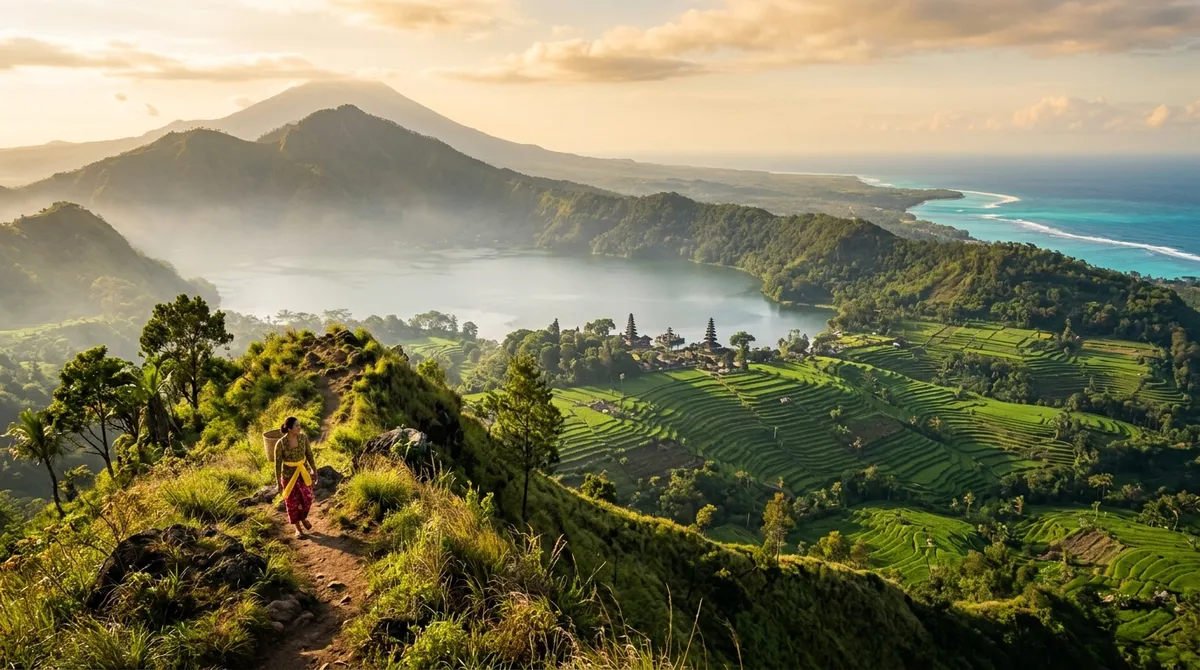
Bali remains one of Asia's most beloved escapes, but Indonesia's travel story stretches far beyond its famous beaches and rice terraces. Across this vast archipelago, visitors can find volcanic lakes, ancient temples, coral-rich seas, tribal villages, wildlife encounters, and fast-growing resort regions that reveal the country's remarkable diversity.
Why Travelers Are Looking Beyond Bali
Indonesia is made up of thousands of islands, each shaped by distinct landscapes, languages, cuisines, and traditions. This variety gives travelers far more than a single island experience. It creates endless routes for adventure, relaxation, culture, and nature-based tourism.
As international arrivals grow, many visitors now seek less crowded destinations. They want authentic local culture, dramatic scenery, and immersive experiences. Indonesia's emerging destinations answer that demand with world-class natural attractions and strong cultural identity.
Government investment has also helped spotlight new tourism areas. Improved airports, roads, ports, and hospitality services are making remote regions easier to reach. For travelers, that means more choice and richer itineraries across the country.
Labuan Bajo and Komodo: Gateway to Wild Indonesia
Labuan Bajo, on the western tip of Flores, has become one of Indonesia's most exciting travel hubs. Once a quiet fishing town, it now serves as the main entry point to Komodo National Park. This protected area is famous for the Komodo dragon, the world's largest living lizard.
Beyond wildlife, the region offers striking island scenery. Pink beaches, rugged hills, turquoise bays, and clear dive sites make it a favorite for boat trips. Travelers can snorkel with manta rays, hike panoramic viewpoints, and sail between small islands at sunset.
Labuan Bajo also introduces visitors to Flores culture. Local markets, traditional villages, and regional dishes add depth to the journey. It is not only an adventure destination. It is also a strong example of how nature and community-based tourism can work together.
Yogyakarta and Borobudur: Indonesia's Cultural Heartland
For travelers interested in history and heritage, Yogyakarta remains essential. The city is known for royal traditions, batik workshops, classical dance, street food, and a creative student atmosphere. It offers an accessible introduction to Javanese culture.
Nearby Borobudur Temple is one of the world's great Buddhist monuments. Built from volcanic stone, the structure rises in tiers decorated with relief panels and stupas. Sunrise visits are especially popular because the temple appears against a backdrop of misty hills and volcanoes.
Yogyakarta is also close to Prambanan, a major Hindu temple complex with elegant stone towers. Together, these sites show the religious and artistic depth of Java. They make the region one of Indonesia's most important cultural tourism destinations.
Lake Toba: A Volcanic Wonder in North Sumatra
Lake Toba is one of Southeast Asia's most impressive natural landmarks. Formed by an ancient volcanic eruption, the lake stretches across a large highland basin in North Sumatra. At its center sits Samosir Island, a destination known for Batak culture and relaxed lakeside stays.
Visitors can explore traditional Batak houses, stone monuments, village markets, and music performances. The climate is cooler than many coastal areas, which makes it ideal for slow travel. Cycling, kayaking, scenic drives, and cultural walks are popular activities.
Lake Toba appeals to travelers who want peaceful landscapes and meaningful cultural contact. It is also becoming more accessible through regional infrastructure improvements, helping it attract both domestic and international visitors.
Lombok and Mandalika: Beaches, Surf, and Island Calm
Lombok is often compared with Bali, but it has its own character. The island offers wide beaches, dramatic headlands, waterfalls, and views of Mount Rinjani. Many visitors come for a quieter island atmosphere and less developed coastal scenery.
The Mandalika area on Lombok's southern coast has gained attention as a major tourism zone. Its beaches attract surfers, swimmers, and sunseekers. The region also hosts international sporting events, which has raised its global profile.
Lombok is also the gateway to the Gili Islands. These small islands are known for diving, snorkeling, beach cafes, and car-free village paths. Together, Lombok and the Gilis provide a strong alternative for travelers seeking tropical beauty beyond Bali.
Raja Ampat: A Marine Paradise in West Papua
Raja Ampat is often described as one of the richest marine ecosystems on Earth. Located in West Papua, this island group is celebrated by divers and conservation-minded travelers. Its reefs support extraordinary coral, fish, turtles, manta rays, and other marine life.
The landscape above the water is just as memorable. Limestone islands rise from clear lagoons, creating views that feel almost unreal. Kayaking, birdwatching, snorkeling, and liveaboard cruises are common ways to explore the area.
Because Raja Ampat is remote, planning is important. Travel can take time, and costs are higher than in more developed regions. However, many visitors consider the effort worthwhile. The destination offers rare beauty and a strong reminder of Indonesia's ecological importance.
Wakatobi: Quiet Reefs and Sustainable Escapes
Wakatobi, in Southeast Sulawesi, is another standout destination for underwater travel. Its name comes from four main islands: Wangi-Wangi, Kaledupa, Tomia, and Binongko. The surrounding national park protects a vast marine area with excellent diving and snorkeling.
Unlike busier beach destinations, Wakatobi feels calm and remote. Travelers often come for reef conservation, sea villages, and slow island life. The destination is especially appealing to experienced divers who value biodiversity and clear waters.
Local culture also adds interest. Traditional boatbuilding, coastal communities, and regional food help visitors connect with daily life. Wakatobi shows how Indonesia's smaller islands can offer both environmental value and cultural richness.
Belitung and Tanjung Kelayang: Granite Shores and Island Hopping
Belitung, off the eastern coast of Sumatra, is known for white sand beaches and giant granite boulders. Tanjung Kelayang is one of its best-known coastal areas and has become a focus for tourism development.
The island's seascape is ideal for relaxed exploration. Travelers can join boat trips to nearby islets, swim in clear shallows, visit lighthouses, and enjoy fresh seafood. The scenery feels distinctive because of the rounded rock formations scattered across the coastline.
Belitung offers a softer, more leisurely travel experience. It suits visitors who want beaches without the scale and pace of larger resort islands. Its combination of scenery, accessibility, and local charm makes it a rising Indonesian destination.
Toraja: Rituals, Highlands, and Living Heritage
In South Sulawesi, the Toraja highlands provide one of Indonesia's most distinctive cultural experiences. The region is known for dramatic landscapes, carved wooden houses, cliffside burial sites, and elaborate ceremonies.
Toraja traditions are deeply connected to family, ancestry, and community life. Visitors should approach the region with respect and cultural sensitivity. Guided tours help explain local customs and ensure that travelers engage appropriately.
The scenery is equally compelling. Rice terraces, mountain roads, bamboo forests, and misty valleys create a beautiful highland setting. Toraja is ideal for travelers who value culture, photography, and meaningful local encounters.
Bromo and East Java: Volcano Landscapes at Sunrise
East Java delivers some of Indonesia's most dramatic volcanic scenery. Mount Bromo is the region's signature attraction, drawing travelers for sunrise views over a surreal sea of sand. The surrounding Tengger landscape feels both stark and majestic.
Many visitors combine Bromo with other East Java highlights. Ijen crater is famous for its acidic lake and sulfur mining landscape. Waterfalls, coffee plantations, and traditional villages add variety to overland journeys.
This region appeals to active travelers who enjoy early starts, photography, and rugged terrain. It also connects well with broader Java itineraries, making it a practical choice for visitors seeking adventure beyond the island's cities.
Sumba: Wild Beaches and Ancient Traditions
Sumba has become increasingly popular among travelers looking for raw natural beauty and strong local identity. The island features empty beaches, rolling hills, waterfalls, traditional villages, and megalithic tombs.
Its culture remains highly distinctive. Visitors can learn about woven textiles, village architecture, and traditional ceremonies. Responsible travel is important here, especially because many communities maintain customs that differ from mainstream tourism settings.
Luxury eco-resorts have brought global attention to Sumba, but the island still feels spacious and untamed. It is best suited to travelers who appreciate remote places, cultural respect, and scenic road trips.
Planning a Multi-Island Indonesia Trip
Indonesia rewards thoughtful planning. Distances between islands can be significant, so travelers should avoid rushing. Domestic flights are often the fastest way to connect major regions, while boats serve many island routes.
The dry season, generally from May to October in many popular areas, is often preferred for outdoor travel. However, weather patterns vary across the archipelago. Divers, hikers, and beach travelers should check local conditions before booking.
Responsible tourism also matters. Visitors can support local guides, choose eco-conscious operators, reduce plastic waste, and respect cultural norms. These choices help protect the places that make Indonesia so special.
Indonesia's Future Is More Than One Island
Bali will always hold a special place in Indonesia's tourism identity. Yet the country's true strength lies in its range. From Komodo's wild islands to Java's temples, Sumatra's volcanic lake, Papua's reefs, and Sulawesi's highland traditions, Indonesia offers journeys for every style of traveler.
Exploring beyond Bali brings deeper rewards. It opens the door to diverse cultures, rare ecosystems, and landscapes that remain unforgettable long after the trip ends. For travelers planning their next Southeast Asian adventure, Indonesia's emerging destinations deserve a central place on the itinerary.