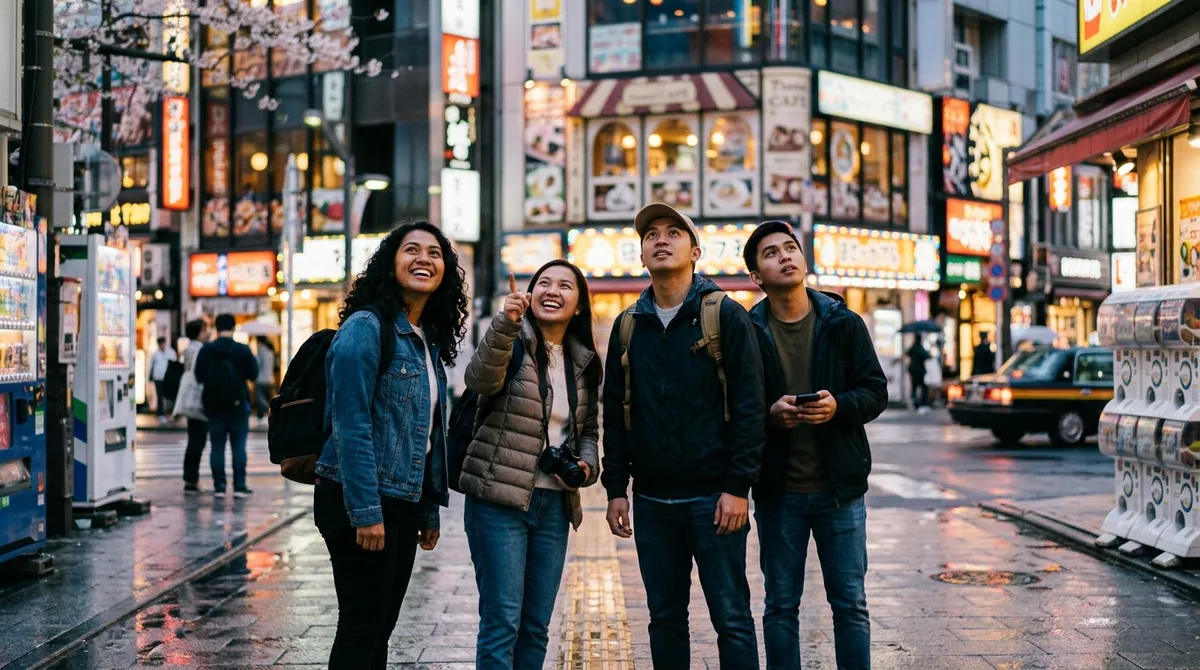
Anime is no longer just shaping what Filipinos watch at home. It is also influencing where they fly, what they photograph, and how they plan their Japan itineraries. For many Filipino travelers, a trip to Japan now includes more than temples, food streets, and cherry blossoms. It can also mean standing at a train crossing seen in a beloved series, browsing shelves of character goods, or visiting neighborhoods that inspired unforgettable animated scenes.
Anime tourism is changing how Filipinos explore Japan
Japan has long been a dream destination for Filipino tourists. Its efficient trains, seasonal scenery, shopping districts, and food culture already make it a favorite. Yet anime has added another powerful reason to go. Fans are increasingly building travel plans around places connected to Japanese animation, manga, games, and pop culture.
This trend is often called anime tourism or anime pilgrimage. It describes travel to real-world locations linked to popular shows, films, or creators. Some visitors go to places that directly appeared on screen. Others look for districts known for merchandise, cosplay, arcades, themed cafes, or studios. For Filipino fans, these trips turn favorite stories into a personal experience.
The appeal is easy to understand. Anime creates emotional connections with places. A staircase, street corner, seaside station, or city skyline can feel familiar before a traveler even arrives. When fans finally see those locations in person, the destination becomes more than a stop on a tour. It becomes part of their fandom memory.
Why Japan remains a top choice for Filipino travelers
Several factors are helping fuel Japan-bound travel from the Philippines. Direct flights from Manila, Cebu, and Clark make major Japanese cities easier to reach. Tokyo, Osaka, Nagoya, and Fukuoka serve as convenient gateways for first-time and repeat visitors. Competitive airline promotions have also made short holidays more realistic for budget-conscious travelers.
Filipinos are also drawn to Japan because it offers different travel styles in one country. A single itinerary can include anime shopping in Tokyo, shrine visits in Kyoto, food crawls in Osaka, and scenic train rides through smaller towns. Families, friend groups, couples, and solo travelers can all find a route that matches their interests.
The growing visibility of Japan on streaming platforms has helped too. Filipino viewers now have quick access to new anime releases, classic series, and animated films. Social media then turns those stories into travel inspiration. A short video showing a real location from a famous scene can quickly become a saved destination.
From screen to street: places anime fans want to visit
Tokyo is often the first stop for anime-inspired travel. Akihabara remains one of the most recognizable districts for fans seeking figures, manga, video games, trading cards, and electronics. The area is filled with multi-level shops, capsule toy machines, maid cafes, and specialty stores. For many Filipino tourists, it feels like a pop culture marketplace brought to life.
Shibuya also attracts anime fans, especially because its streets and crossings often appear in modern series and films. The district combines fashion, nightlife, music, and youth culture. Visitors often take photos near landmarks, explore character shops, and connect familiar animated city scenes with the energy of real Tokyo.
Kamakura has become another meaningful stop, particularly for fans who associate its coastal railway views with sports anime and school-life stories. The mix of sea, trains, old temples, and relaxed streets gives the city a different rhythm from central Tokyo. It is popular for day trips because it combines fandom locations with traditional sightseeing.
Other travelers look toward regional Japan. Towns in Gifu, Nagano, and other prefectures have drawn attention because animated films often use real landscapes as visual references. These locations can include quiet stations, old streets, rural scenery, and mountain views. For local communities, anime tourism can bring visitors beyond the usual big-city route.
Filipino fans are creating more personalized itineraries
The new wave of Filipino travel to Japan is not limited to package tours. Many fans now design their own routes using maps, blogs, social media posts, travel forums, and fan-made guides. Instead of visiting only the most famous attractions, they add smaller stops linked to particular scenes or characters.
A traveler may spend the morning at a museum, the afternoon at a shrine seen in an animated film, and the evening shopping for exclusive merchandise. Another may take a train out of Tokyo to recreate a photograph from a favorite series. These details make the trip feel more personal and more intentional.
Travel planning has also become more visual. Fans compare screenshots with real locations. They watch route videos before booking hotels. They check whether a store sells limited-edition goods. They also look for seasonal events, pop-up cafes, exhibitions, and collaborations tied to anime titles.
Merchandise, cafes, and themed attractions add to the experience
Anime tourism is not only about visiting locations. Shopping and themed dining are major parts of the journey. Filipino visitors often set aside luggage space for collectibles, plush toys, manga volumes, apparel, and stationery. Some hunt for rare items in secondhand shops, where prices and selection can be better than standard retail stores.
Character cafes are another draw. These limited-time venues usually offer themed meals, drinks, decorations, and exclusive souvenirs. Reservations can be competitive, especially for popular franchises. For fans, however, the effort can be worth it. A themed cafe feels like stepping into a temporary world built around a favorite story.
Theme parks and attractions also benefit from the anime boom. Universal Studios Japan in Osaka, for example, frequently features pop culture collaborations and immersive experiences. Tokyo's major entertainment areas also host exhibitions, store events, and interactive displays. These activities give travelers more reasons to extend their stay or revisit Japan.
Social media is amplifying the anime travel boom
Filipino travelers are highly active on social platforms, and that has helped anime tourism grow faster. TikTok, Instagram, Facebook, and YouTube make it easy to share short guides, food finds, haul videos, and location comparisons. A single post can introduce thousands of viewers to a destination they had never considered.
These posts usually blend practical advice with fan excitement. Creators show train routes, ticket costs, shop locations, photo spots, and mistakes to avoid. That content lowers the barrier for other fans planning similar trips. It also encourages repeat travel because viewers discover new places beyond the standard tourist trail.
The result is a cycle of inspiration. Anime encourages travel, travel creates content, and content encourages more travel. For Japan, this creates sustained interest among younger visitors and pop culture fans. For Filipino tourists, it adds fresh purpose to every itinerary.
Respectful travel matters at real-life anime locations
As anime-related destinations become more popular, responsible tourism becomes important. Many locations are ordinary neighborhoods, schools, train crossings, shrines, or residential streets. They may be meaningful to fans, but they are also part of daily life for local communities.
Visitors should avoid blocking roads, disturbing residents, entering private property, or taking photos where signs prohibit it. Train stations and crossings require extra care because safety rules are strict. Fans can still enjoy the experience while respecting the people who live and work there.
Supporting local businesses is another meaningful way to travel responsibly. Buying from nearby shops, eating in local restaurants, and using official tours or facilities helps communities benefit from visitor interest. It also creates a better relationship between fans and host destinations.
Anime travel reflects a bigger cultural connection
The growing number of Filipino anime fans traveling to Japan shows how entertainment can influence real-world choices. Anime introduces viewers to Japanese settings, traditions, food, school life, festivals, and urban culture. While not every animated scene reflects daily reality, it can spark curiosity about the country behind the stories.
For many Filipinos, that curiosity becomes a deeper appreciation of Japanese culture. A fan may start with a favorite series, then become interested in language, regional food, history, architecture, or seasonal festivals. Travel transforms that interest into direct experience.
This is why anime tourism has become more than a niche hobby. It now sits at the intersection of pop culture, travel, shopping, and identity. Filipino visitors are not just consuming stories. They are following them across cities, coastlines, and countryside destinations.
Fandom is becoming a travel compass
Anime is helping redefine how Filipinos experience Japan. It gives familiar destinations new meaning and brings attention to lesser-known places outside traditional tourist routes. From Akihabara stores to scenic train stops, fans are using their favorite shows and films as guides to a more personal journey.
As flights, online planning tools, and social media continue to make Japan more accessible, anime-inspired travel will likely keep growing. For Filipino tourists, the experience offers a unique mix of nostalgia, discovery, shopping, and cultural connection. The stories begin on screen, but the memories are made in Japan.