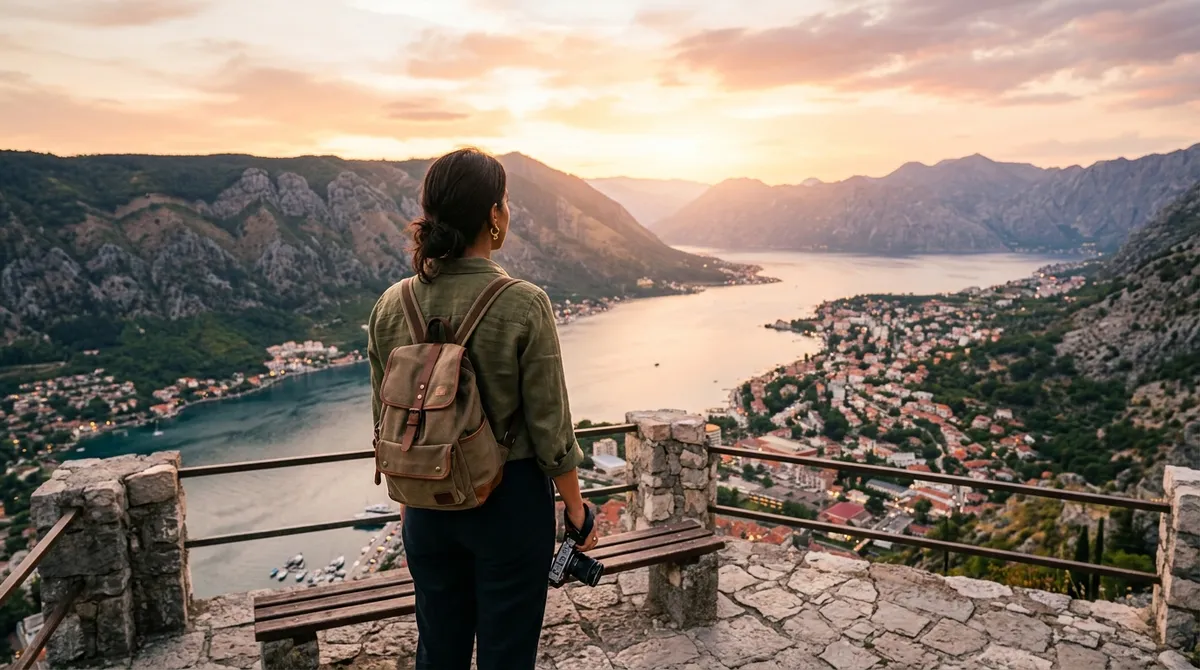
Travel dreams rarely begin with a brochure anymore. They often start with a reel, a friend's post, a celebrity getaway, or a perfectly framed sunrise that appears while you scroll. The question is no longer whether travel images affect us. They do. The bigger question is whether your next trip is genuinely inspired by what you love, or quietly shaped by what the internet tells you to want.
Travel inspiration has changed dramatically
For many travellers, choosing a destination used to involve guidebooks, family recommendations, travel agents, and personal curiosity. Today, the process is faster and far more visual. A beach, café, hotel room, or mountain viewpoint can become a must-visit place within hours. Social media has turned travel planning into a constant stream of suggestions.
This is not always negative. Digital platforms help travellers discover places they may never have considered. A small guesthouse can reach global audiences. A local restaurant can attract visitors without a large advertising budget. Remote communities can benefit when responsible tourism brings income and attention.
However, the same platforms can also narrow our choices. When the same places appear repeatedly, they begin to feel essential. Travellers may start measuring their plans against online trends instead of personal interests. That is where the line between inspiration and influence becomes important.
Inspired travel starts with personal meaning
Being inspired means something connects with you beyond the surface. A destination may appeal because of its history, food, nature, music, language, culture, or emotional significance. You may feel drawn to a place because it matches your pace, values, or sense of adventure.
Inspired travel is reflective. It asks useful questions before bookings happen. What do I want to feel on this trip? Do I need rest, discovery, celebration, learning, or connection? Am I choosing this place because it suits me, or because it looks impressive online?
When travellers understand their motivation, they make stronger decisions. A person seeking calm may choose a quiet coastal town over a crowded party island. A culture lover may prefer a walking tour through heritage districts instead of a luxury resort. A family may value safety, space, and ease more than viral attractions.
Influenced travel can become performative
Influence works differently. It often creates urgency and comparison. You see a destination often enough, and it begins to feel like an achievement. The trip becomes less about experience and more about proof. Photos, check-ins, and matching popular poses can become part of the itinerary.
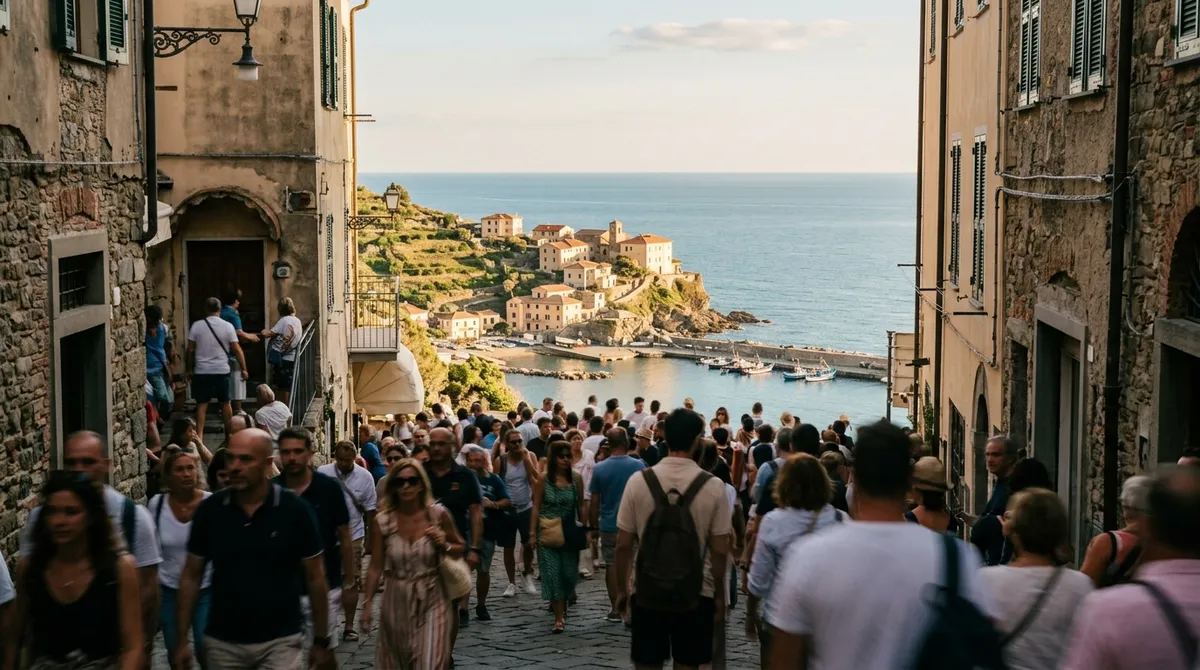
This performative approach can reduce the richness of travel. Visitors rush through landmarks without understanding them. They queue for photo spots but skip local stories. They copy another person's holiday without considering season, budget, access, or cultural context.
Influenced travel can also create disappointment. A place that looks peaceful online may be busy in real life. A hotel room may seem larger in edited photos. Weather, crowds, costs, and transport challenges rarely appear in polished travel content. The result is a gap between expectation and experience.
The power and pressure of social media travel
Social media has become one of the strongest forces in modern tourism. Platforms reward eye-catching locations, dramatic scenery, and quick emotional reactions. This changes how destinations are promoted and consumed. A place does not only need to be enjoyable. It must look shareable.
That pressure affects travellers and destinations. Visitors may overspend to recreate a luxury lifestyle they saw online. They may choose places based on aesthetics rather than suitability. Meanwhile, communities can face crowding when sudden attention overwhelms local infrastructure.
Popular travel spots often experience pressure on transport, waste systems, natural areas, and cultural sites. When visitors arrive mainly for a photograph, they may not contribute meaningfully to the local economy. They may spend little time in surrounding areas and miss opportunities to support local guides, markets, restaurants, and artisans.
How to choose destinations with more confidence
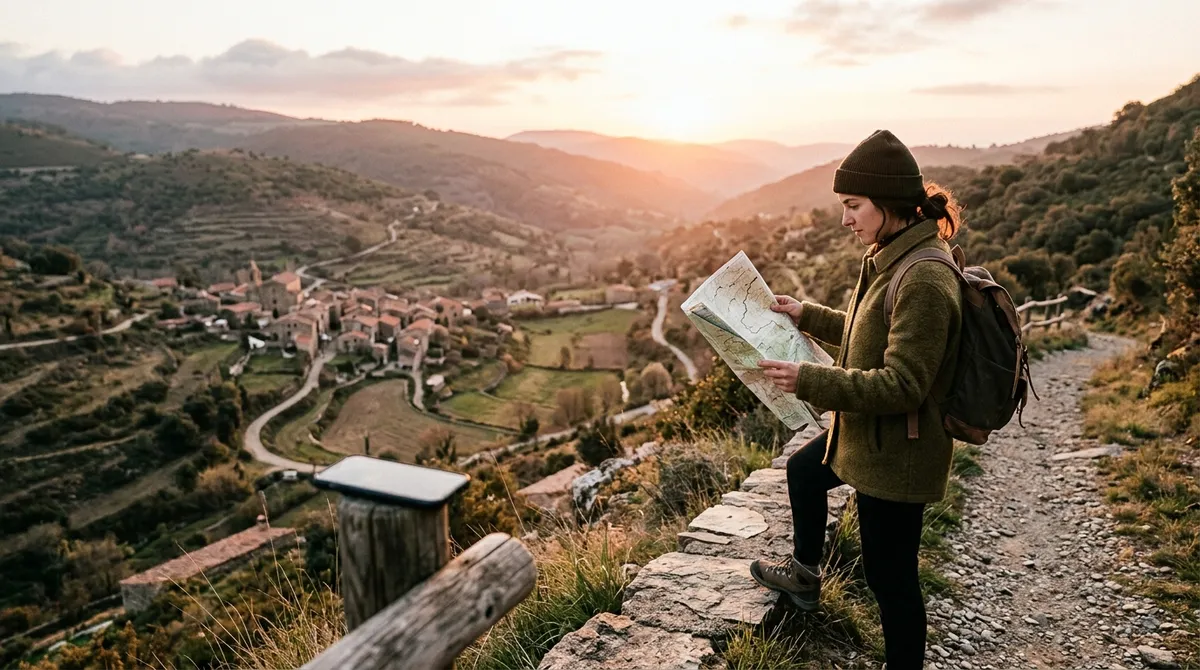
A strong travel decision balances inspiration with research. Start by identifying what attracted you to a destination. Was it the landscape, the culture, the accommodation, the food, or the lifestyle shown online? Then look beyond the first image or video.
Read recent reviews from different types of travellers. Check the best seasons to visit. Research transport options, safety guidance, accessibility, local customs, and average costs. Look at unedited photos where possible. This gives you a fuller picture before you commit.
It also helps to compare the destination with alternatives. If you love mountain scenery, there may be quieter regions with similar beauty. If you want an island escape, smaller destinations may offer better value and fewer crowds. If food is your main interest, local neighbourhoods may matter more than famous landmarks.
Ask better questions before booking
Before paying for flights or accommodation, ask yourself a few honest questions. Would I still want to go if I never posted a photo? Does this trip fit my budget without stress? Will I have enough time to enjoy the destination properly? Am I respecting the local culture and environment?
These questions do not remove excitement. They protect it. Travel should feel rewarding before, during, and after the journey. A destination chosen for the right reasons is more likely to leave lasting memories.
The role of travel creators and influencers
Travel creators can be valuable when they share practical, balanced information. The best content does more than display beauty. It explains costs, transport, safety, local etiquette, sustainability concerns, and realistic expectations. It helps audiences make informed choices.
Travellers should also understand that online content is often selective. Some trips are sponsored. Some images are edited. Some experiences are arranged for promotion. This does not make the content useless, but it means viewers should engage critically.
Following a range of voices can also improve travel planning. Local tourism pages, independent writers, residents, conservation groups, and small businesses may provide deeper insight than trend-focused accounts. A broader mix of sources leads to better decisions.
Mindful travel benefits visitors and communities
Choosing with intention supports more responsible tourism. Mindful travellers stay longer when possible, spend locally, respect cultural practices, and reduce harm to natural spaces. They treat destinations as living communities, not backdrops.
This approach can also make trips more meaningful. A slower itinerary allows time for conversation, hidden gems, and unexpected discoveries. It creates space to experience daily life rather than simply collecting attractions. Often, these moments become the most memorable part of a journey.
Responsible destination choices can spread tourism benefits more widely. Instead of concentrating crowds in the same famous places, travellers can explore lesser-known towns, rural routes, cultural precincts, and community-led experiences. This supports economic diversity and eases pressure on overvisited sites.
Finding the balance between influence and authenticity
There is nothing wrong with discovering a place through a beautiful post. Inspiration can come from anywhere. The key is to pause before turning someone else's highlight into your own plan. Let the image open a door, but let your values decide whether you walk through it.
Your best destination may not be the most popular one. It may not be the most expensive, distant, or photogenic. It may be the place that gives you what you need at this stage of life. That could be silence, adventure, reconnection, learning, or joy.
Travel becomes richer when it reflects who you are. Trends will keep changing, and new hotspots will keep appearing. A thoughtful traveller can enjoy the inspiration without surrendering personal choice. In the end, the most rewarding journey is not the one everyone is posting about. It is the one that feels true to you.