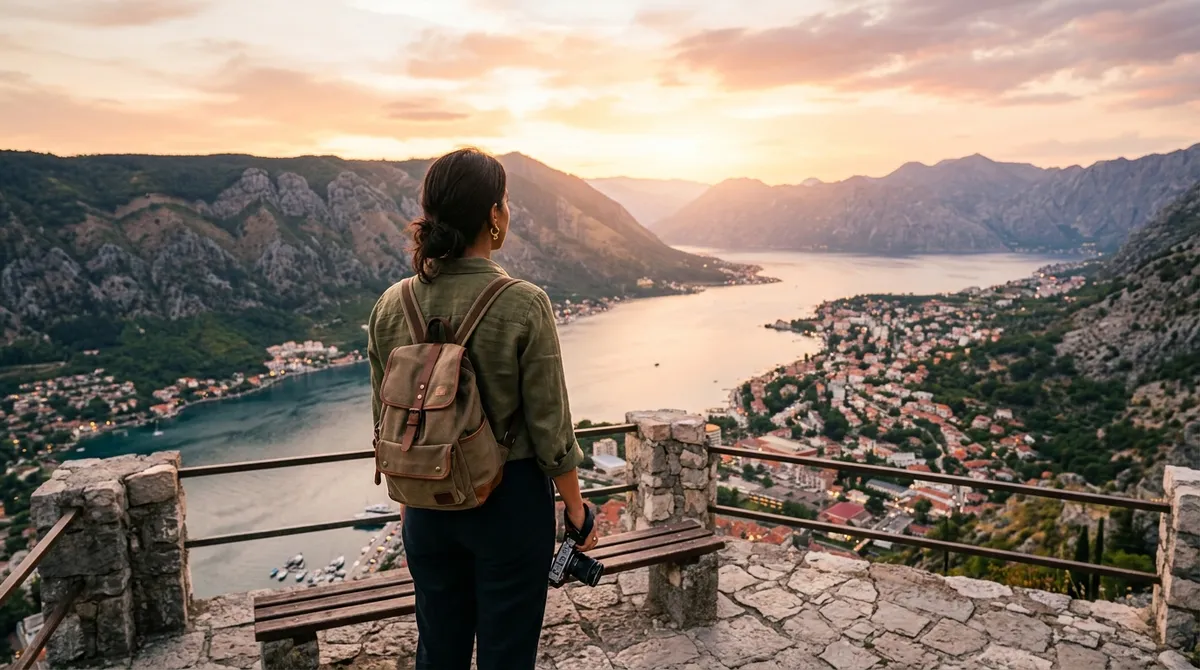
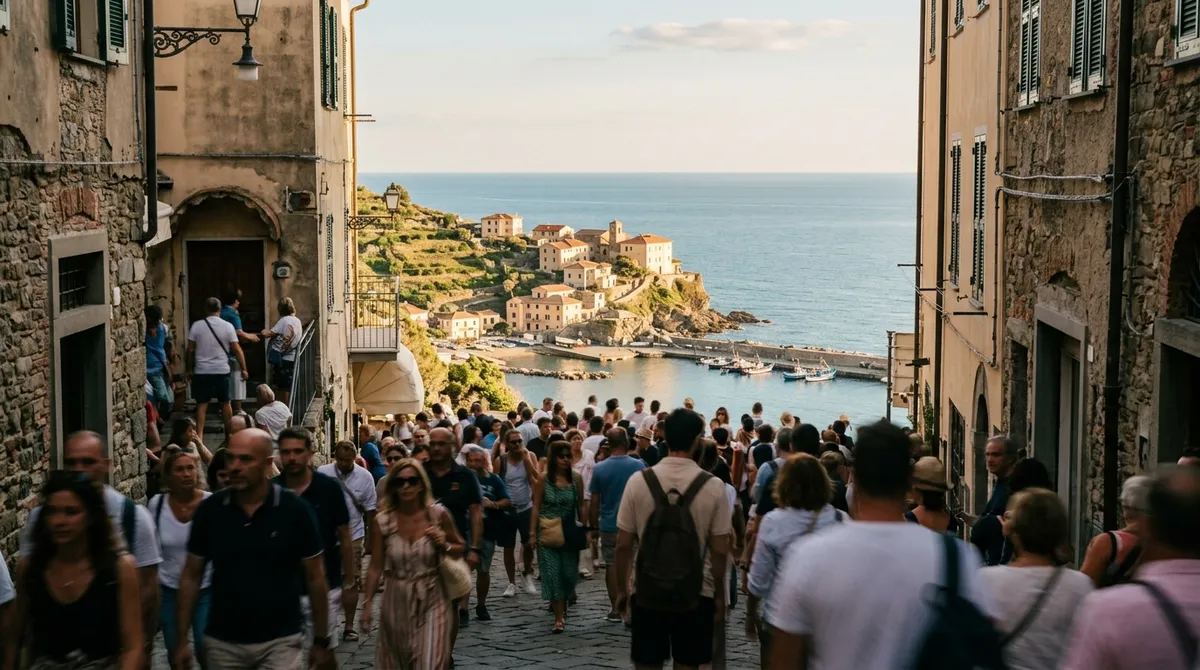
Travel enthusiasts often seek new adventures, but some destinations might need a break from the influx of tourists. As we look forward to 2026, certain places are being highlighted for their overwhelming visitor numbers, prompting considerations for alternative travel plans.
The Impact of Overtourism
Overtourism is a growing concern worldwide, affecting local communities and natural environments. Popular destinations are experiencing significant strain as they struggle to maintain their cultural heritage and ecological balance. This situation not only diminishes the quality of life for residents but also impacts the travel experience for visitors.
Venice: A City Under Siege
Venice, renowned for its picturesque canals and historic architecture, is one of the most affected by overtourism. The city's infrastructure is challenged by the constant flow of tourists, leading to environmental and social issues. Efforts are underway to manage visitor numbers through initiatives like entrance fees and restricted access during peak times.
Barcelona: Balancing Growth and Sustainability
Barcelona, a vibrant cultural hub, faces similar challenges. The city's residents often express concerns over the crowding in popular areas and the impact on daily life. Measures such as limiting short-term rentals and promoting lesser-known neighborhoods aim to distribute tourist activity more evenly.
Paris: Preserving the City of Light
Paris remains a top travel destination, yet the influx of visitors to iconic sites like the Eiffel Tower and the Louvre can be overwhelming. The city's authorities are focusing on sustainable tourism strategies to preserve its historic landmarks while enhancing visitor experiences.
Amsterdam: Protecting a Unique Heritage
Amsterdam's charm attracts millions, leading to significant pressure on its historic center. The city is implementing policies to reduce congestion and promote respectful tourism. Initiatives include promoting off-peak visits and enhancing public transport options.
Exploring Alternative Destinations
With the challenges faced by these popular locations, travelers are encouraged to explore alternative destinations. This shift not only alleviates pressure on overburdened cities but also offers unique experiences in less-visited areas.
Discovering Hidden Gems
Travelers can seek out lesser-known destinations that offer rich cultural and natural attractions without the crowds. Exploring these hidden gems can lead to more authentic and rewarding travel experiences, contributing positively to local economies.
Emphasizing Responsible Travel
Responsible travel practices are essential for sustainable tourism. This includes being mindful of environmental impacts, respecting local customs, and supporting local businesses. Travelers can play a pivotal role in preserving the beauty and integrity of the places they visit.
Conclusion
As we plan for future travels, considering the impact of our choices on popular destinations is crucial. By exploring alternative locations and embracing sustainable travel practices, we can help preserve these treasured places for generations to come. Making informed decisions benefits both travelers and the communities they visit.