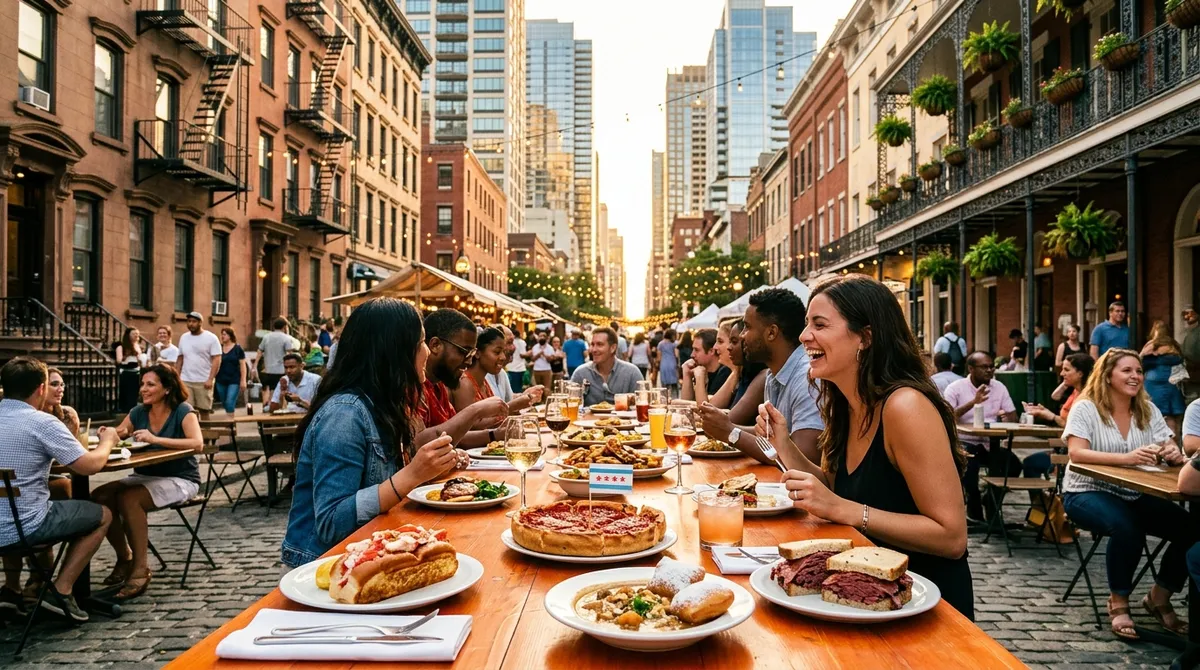

Asia's travel map is becoming more varied, digital, and experience-led, and Agoda expects those shifts to become even clearer by 2026. The online travel platform has highlighted two powerful forces shaping future journeys across the region: growing interest in secondary destinations and wider use of artificial intelligence in trip planning. Together, these trends point to a more personal style of travel, where visitors look beyond famous gateways and rely on smarter tools to design better trips.
Asia Travel Trends Are Moving Beyond the Usual Hotspots
For years, major Asian cities and resort areas have dominated travel demand. Places such as Bangkok, Tokyo, Singapore, Seoul, Bali, and Hong Kong remain global favourites. Yet many travellers now want something different from their next holiday. They are searching for quieter towns, regional culture, local food scenes, natural landscapes, and better value.
Agoda's latest travel outlook suggests that this change will strengthen in the coming years. Secondary destinations are expected to gain more attention as travellers become more confident, curious, and independent. These are not necessarily remote places. Many are smaller cities, coastal communities, mountain regions, or heritage towns located near large tourism hubs.
This shift is important for Asia's tourism economy. When visitors spread beyond the most crowded areas, spending reaches more communities. Hotels, restaurants, transport operators, guides, and local businesses can all benefit. It also helps ease pressure on places that have struggled with overcrowding during peak seasons.
Why Secondary Destinations Are Gaining Momentum
The rise of secondary destinations is not happening by accident. Several practical and emotional factors are influencing traveller choices. Cost is one major reason. Popular cities and beach resorts can become expensive, especially during holidays and major events. Smaller destinations often offer more affordable accommodation and dining without sacrificing memorable experiences.
Travellers are also placing greater value on authenticity. Many want to meet local people, try regional dishes, visit neighbourhood markets, and understand how a place feels beyond its postcard image. Secondary destinations can offer that sense of discovery because they are less shaped by mass tourism.
Another factor is improved connectivity. New routes, better domestic transport, and easier digital booking have made lesser-known destinations more accessible. A traveller can now combine a famous city with a nearby regional stop. For example, a trip to a capital city may be extended with a few days in a mountain town, island province, or historic district.
Social media also plays a role. Travellers increasingly discover places through short videos, creator recommendations, and user-generated content. A quiet town can gain attention quickly when visitors share striking scenery, street food, boutique hotels, or unique cultural experiences online.
AI Is Changing How Travellers Plan Trips
Alongside destination choice, technology is transforming the planning process. Agoda expects artificial intelligence to become more central to travel decision-making by 2026. AI tools can already help users compare options, create itineraries, understand travel times, and refine searches based on budget, interests, and preferred travel style.
For many travellers, this removes friction. Instead of opening dozens of tabs, users can ask for suggestions that match their needs. A family may want a child-friendly destination with short transfer times. A couple may look for a food-focused weekend trip. A solo traveller may prefer safe, walkable areas with affordable stays. AI can sort that information quickly and present more relevant ideas.
Travel companies are investing heavily in these tools because personalisation improves the booking experience. Better recommendations can help travellers find destinations they may not have considered. That is especially useful for secondary cities and emerging resort areas, which often need stronger digital visibility to compete with famous names.
From Search Results to Personal Travel Assistants
The next stage of AI travel planning is likely to feel more conversational. Instead of only filtering by price, date, and star rating, travellers may ask detailed questions. They might request a three-day itinerary with museums, local restaurants, and no early morning starts. They may also ask for hotel options near train stations or beaches with calm water.
AI can also help travellers adjust plans in real time. Weather, flight changes, crowd levels, and event schedules can all affect a trip. Smart tools may suggest alternative activities, different neighbourhoods, or better transport options when plans change. This creates a more flexible and less stressful travel experience.
However, human judgement will still matter. Travel is emotional and personal. AI can make planning easier, but travellers will continue to rely on reviews, local advice, trusted brands, and their own instincts. The strongest platforms will combine automation with reliable information and transparent booking options.
Value, Flexibility, and Experience Will Shape Bookings
Agoda's outlook also reflects a broader change in consumer behaviour. Travellers are becoming more selective about where they spend. They still want meaningful trips, but they are watching prices closely. Good value does not always mean choosing the cheapest option. It can mean better location, easier transport, larger rooms, included breakfast, or access to local experiences.
Flexibility remains important too. After years of disrupted travel, many people prefer booking options that allow changes. Clear cancellation policies, easy customer support, and transparent fees can influence decisions as much as hotel design or destination appeal.
Experiences are also driving demand. A traveller may choose a destination because of a festival, food trail, cycling route, wellness retreat, concert, or family activity. This benefits destinations that can package culture, nature, and hospitality in a clear and attractive way.
What This Means for Hotels and Tourism Boards
The growth of secondary destinations creates major opportunities for hoteliers and destination marketers. Smaller cities and regional areas need strong digital content to capture demand. High-quality images, clear descriptions, updated maps, and accurate amenity details can make a significant difference in search results.
Hotels in emerging destinations should also highlight what makes their location special. Proximity to railway stations, night markets, temples, beaches, hiking trails, or local restaurants can be a selling point. Travellers exploring lesser-known places often need practical reassurance before they book.
Tourism boards can support this demand by promoting multi-destination itineraries. Rather than focusing only on one famous city, campaigns can encourage visitors to explore surrounding regions. This approach can extend length of stay, increase spending, and reduce crowding in the busiest tourism zones.
Partnerships will also matter. Airlines, accommodation platforms, local governments, and small businesses can work together to make secondary destinations more visible. If travellers can easily understand how to get there, where to stay, and what to do, they are more likely to book.
Asia's Diverse Destinations Are Well Positioned
Asia is especially well suited to this travel evolution. The region offers dense variety across short distances. A traveller can move from a megacity to a rural village, island, tea plantation, mountain retreat, or historic port within the same journey. This diversity supports the demand for richer, more varied itineraries.
Countries across the region are also improving infrastructure and promoting wider tourism dispersal. Better rail services, domestic flights, ferry links, and road networks are making regional travel easier. At the same time, digital platforms are helping smaller accommodation providers reach international guests.
For travellers, the result is more choice. They can still enjoy iconic landmarks, but they can also add lesser-known experiences that make a trip feel more personal. This blend of famous and emerging destinations may become one of the defining features of Asia travel in 2026.
Responsible Growth Will Be Essential
As secondary destinations attract more visitors, responsible tourism will become increasingly important. Growth can bring income and jobs, but it must be managed carefully. Local communities need to benefit from tourism without losing the character that made their destination appealing.
Travellers can support this by choosing locally owned businesses, respecting cultural norms, reducing waste, and avoiding behaviour that disrupts residents. Hotels and travel platforms can also help by promoting sustainable options and sharing practical guidance.
AI may even support responsible travel by recommending alternative travel dates, less crowded attractions, and lower-impact routes. Used well, technology can help distribute demand more evenly and improve the visitor experience at the same time.
A More Personal Future for Asian Travel
Agoda's view of Asia travel in 2026 points toward a more flexible and personalised future. Secondary destinations are set to gain attention as travellers search for value, authenticity, and fresh experiences. At the same time, artificial intelligence will make planning faster, smarter, and more tailored to individual needs.
These trends are closely connected. AI can introduce travellers to places beyond the obvious choices, while lesser-known destinations can offer the originality many visitors now want. For hotels, tourism boards, and travel brands, the message is clear. The next phase of Asian travel will reward visibility, trust, convenience, and local character.