Beyond Restaurant Reservations: The New Era of Food Travel
Food travel is evolving beyond simply booking reservations at renowned restaurants. According to reports, today's culinary travelers are seeking immersive, story-rich experiences that connect cuisine with culture, place, and local people. The emphasis has shifted toward authenticity and access, creating opportunities for truly exceptional food-focused journeys.
The concept centers on local access—gaining entry to homes, farms, vineyards, markets, and enjoying insider-hosted meals that provide genuine connections to regional food culture. This approach transforms food from a simple dining experience into the organizing theme for an entire trip.
What Makes Food Travel Truly Special
Exceptional culinary travel experiences share several key characteristics that distinguish them from conventional food tourism. Private hosts emerge as a crucial element, offering travelers access to authentic local food culture that extends far beyond what's available in restaurants.
Hands-on cooking experiences allow travelers to learn traditional techniques and recipes directly from local experts. These intimate settings provide insights into the cultural significance of dishes and ingredients that shaped regional cuisines over generations.
Local producers—from farmers to winemakers—offer another dimension to food travel. Visiting vineyards, farms, and artisanal food producers creates opportunities to understand the journey from source to plate, adding depth and context to culinary experiences.
Destination Inspiration for Gourmet Travelers
Reports highlight several regions that exemplify this approach to food-focused travel. The Benelux countries offer rich culinary traditions that blend influences from neighboring European cultures, while Oaxaca provides access to ancient cooking methods and indigenous ingredients that continue to shape Mexican cuisine.
Burgundy presents opportunities to explore France's legendary wine culture through direct access to vineyards and winemakers. Croatia's emerging food scene combines Mediterranean influences with Central European traditions, creating unique culinary experiences for adventurous food travelers.
These destinations demonstrate how food can serve as a lens for understanding local culture, history, and traditions in ways that go far beyond typical tourist experiences.
Planning Your Food-First Adventure
Creating a successful food-focused trip requires shifting perspective from restaurant-centric planning to experience-centered design. The key lies in identifying opportunities for genuine local access and cultural immersion through food.
Markets often serve as excellent starting points, offering insights into regional ingredients, seasonal availability, and local food customs. These vibrant spaces provide natural opportunities to interact with vendors, learn about unfamiliar ingredients, and understand how locals shop and cook.
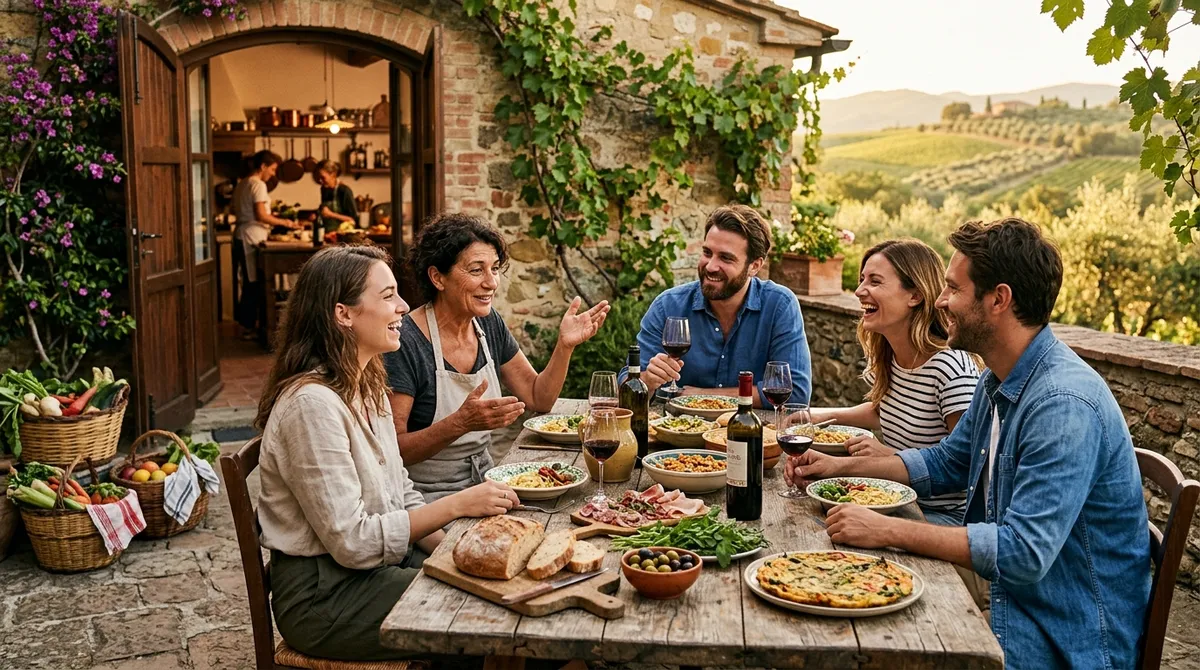
Home kitchens represent perhaps the most intimate food travel experiences. Cooking with local families or attending meals in private homes creates personal connections that transform food from sustenance into storytelling, cultural exchange, and memory creation.
The Future of Culinary Tourism
This evolution in food travel reflects broader changes in how people approach tourism overall. Travelers increasingly seek meaningful experiences that provide genuine insights into local culture rather than superficial encounters.
Food serves as a universal language that transcends cultural barriers while simultaneously expressing the unique characteristics of specific places and communities. This dual nature makes culinary experiences particularly powerful tools for cultural understanding and personal connection.
As food travel continues to mature, the most memorable experiences will likely be those that combine exceptional cuisine with authentic cultural immersion, local relationships, and stories that connect travelers to the places they visit.
The shift toward authenticity and access in food travel represents more than a trend—it reflects a fundamental change in what travelers value most: genuine experiences that create lasting memories and meaningful connections to the destinations they explore.