Lima has quietly become one of the most exciting food cities on the planet — and it's no longer a secret. Travelers who once came for Machu Picchu now build entire trips around what's on the plate. If you're planning to eat your way through Peru's capital, a guided food tour is one of the smartest investments you can make. But not every tour is built the same, and choosing the wrong one means paying for an experience that doesn't actually fit you.
By the end of this guide, you'll know exactly what questions to ask before booking, what to expect once you're out on the streets, and how to match a Lima food tour to your travel style — so you spend less time guessing and more time eating.
Why Lima Rewards a Guided Food Experience
Lima's culinary scene is famously layered. You've got Nikkei (Japanese-Peruvian fusion), Chifa (Chinese-Peruvian), classic cevicherías, street food markets, and high-end tasting menus — sometimes all within a few blocks of each other. For a first-time visitor, that abundance is exciting and overwhelming in equal measure.
A local guide cuts through the noise. They know which ceviche spot is worth the queue, which market stall has been run by the same family for decades, and which dishes you'd never order confidently on your own. You also get context — the story behind leche de tigre, why causa looks the way it does, how Peru ended up with one of the world's most distinctive fusion traditions. That context transforms eating into understanding.
Going solo absolutely has its place, but without local knowledge, you're likely to default to the most tourist-visible options — which are rarely the most interesting ones.
Four Questions to Ask Before You Book
1. What neighborhood does the tour cover?
Lima's districts eat differently. Miraflores skews upscale and polished. Barranco has a bohemian, creative-chef energy. The historic Centro Histórico and markets like Surquillo or Mercado de San Isidro give you a grittier, more workaday picture of how Limeños actually eat day to day.
Think about what kind of Lima you want to experience. If you're a first-timer who wants a sampler of the city's range, look for tours that move between neighborhoods or specifically bill themselves as overviews. If you've been before and want depth over breadth, a market-focused or district-specific tour will serve you better.
2. How much walking and eating is actually involved?
Food tours vary wildly in pace and portion logic. Some are leisurely strolls with five or six generous tastings; others move quickly through ten-plus stops with smaller bites at each. Ask the operator directly: how many stops, how far is the walking distance, and will you leave full?
If you have dietary restrictions, ask before assuming. Most reputable Lima tour operators can accommodate vegetarians, though Peru's street food culture is heavily meat- and seafood-forward, so it's worth confirming what the experience looks like for you specifically.
3. Is the guide a local with real knowledge, or a generalist?
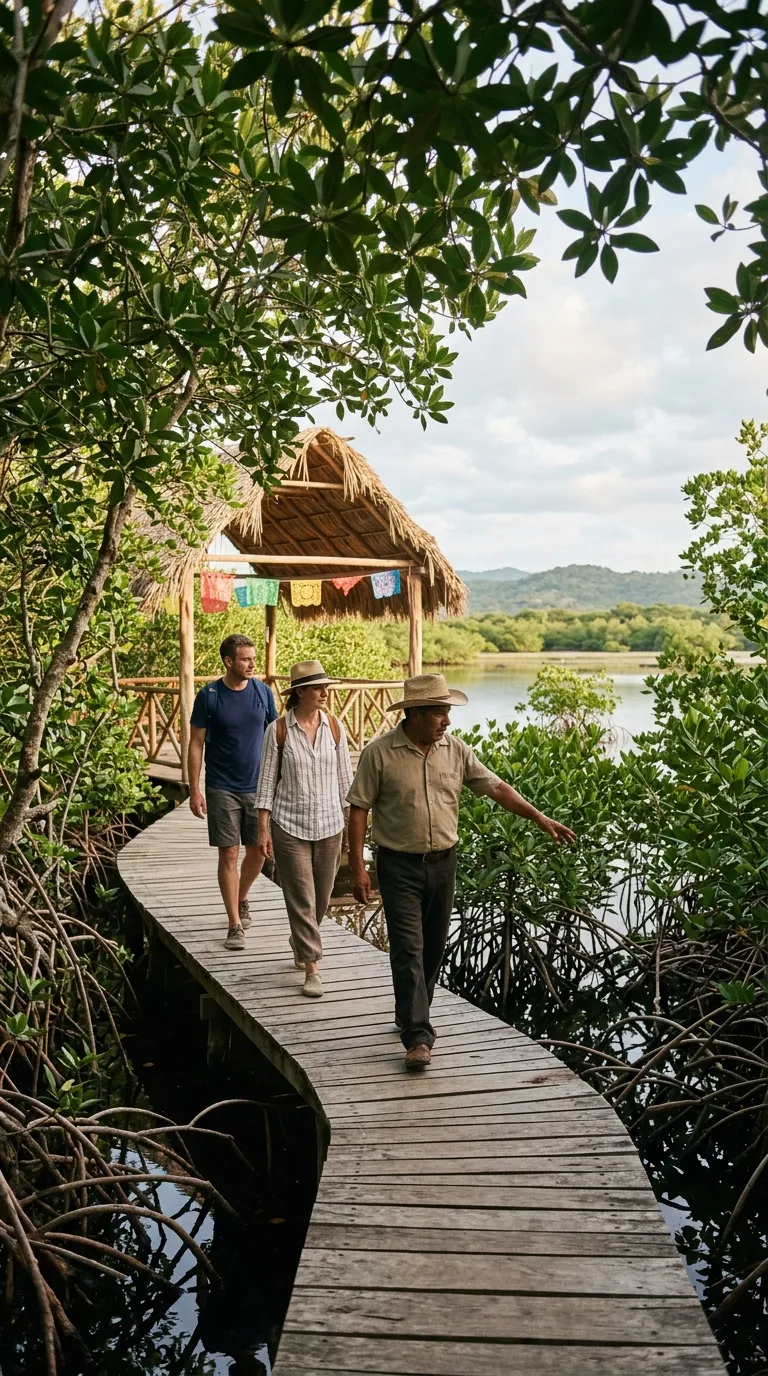
This matters more than the itinerary. A guide who grew up eating at the market they're taking you to will give you something no brochure can replicate. Look for tour descriptions that mention guide background, read recent reviews specifically for what past travelers say about the guide's knowledge and personality, and favor operators that are locally owned or locally led.
4. What's the group size?
Small-group and private tours let you ask questions freely, linger at a stall you love, and move at a pace that works for your party. Large group tours are often cheaper but can feel more like herding than discovery. If your priority is connection and spontaneity, budget for the smaller experience.
What You Should Expect to Eat
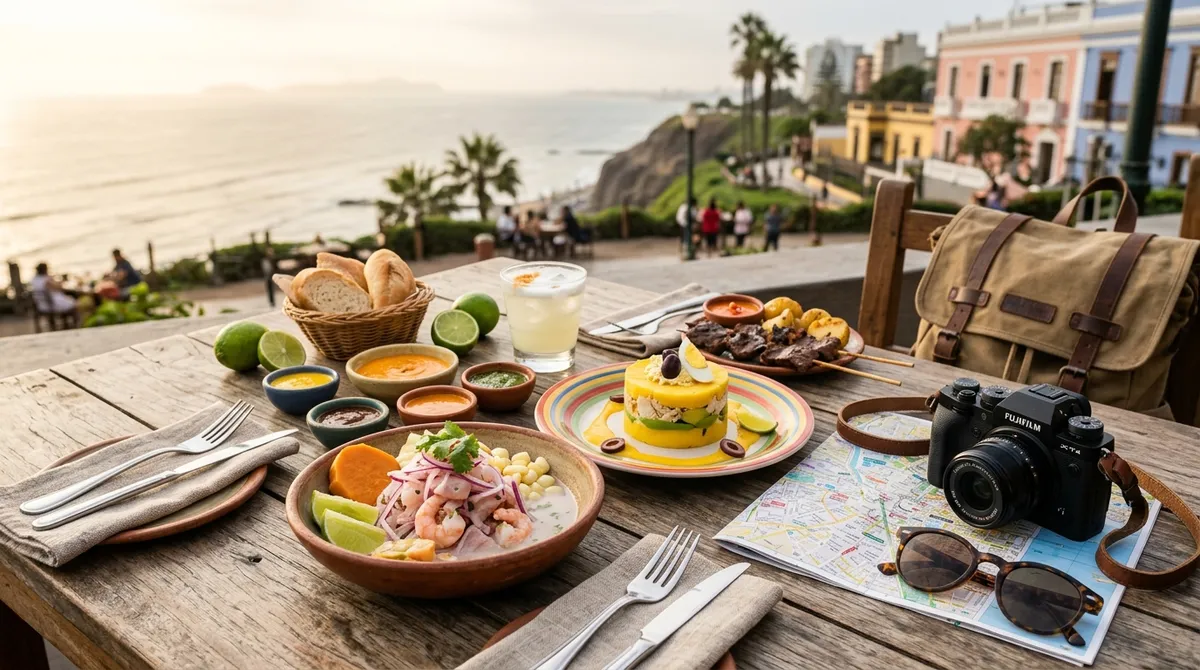
A solid Lima food tour should introduce you to at least a few of the city's signature dishes. Ceviche is the obvious anchor — fresh fish cured in lime juice with ají amarillo and red onion, served with choclo and sweet potato. Anticuchos (grilled beef heart skewers, more delicious than they sound) are a street food staple. Lomo saltado, a stir-fry that makes the Chinese-Peruvian fusion story immediate and delicious, is another essential.
Beyond the classics, a great guide will push you toward things you wouldn't find on your own: a specific chicha morada from a vendor who makes it properly, a papa rellena from the right street cart, or a pisco sour at a spot that's been making them the same way for thirty years.
If a tour's menu sounds like a greatest-hits compilation without any local specificity, that's a signal it's designed for tourists rather than for anyone genuinely interested in the food.
Food Tour vs. Exploring Solo: An Honest Take
A food tour isn't a replacement for wandering — it's a foundation. The best use of a guided experience is often day one or two of your Lima trip: you learn the neighborhood layout, you try dishes in context, you pick up enough vocabulary to order confidently on your own afterward.
After your tour, you'll know which market you want to return to, which dish you want a full portion of, and which part of the city actually matches your eating style. That's the real payoff. The tour earns its cost not just in what you eat on the day, but in what it sets you up to discover on your own for the rest of the trip.
The Practical Stuff
Book in advance, especially if you're visiting during peak travel months or want a private tour. Morning tours tend to align with market activity and give you the freshest produce and the most vendor interaction. Afternoon and evening tours can be better for a more social, leisurely pace.
Wear comfortable shoes. Bring cash for any extra purchases you want to make along the way — Lima's best market vendors often don't take cards. And eat a light breakfast before a morning tour; you want to arrive hungry enough to say yes to everything.
Lima will feed you well whether or not you book a tour. But if you want to eat smart from day one — to understand what you're tasting and why it tastes that way — a well-chosen local food tour is the fastest path there.