The GlenDronach distillery has spent two centuries doing one thing exceptionally well: ageing Highland single malt in sherry casks. So when the distillery chose its 200th anniversary to release a whisky finished in red wine casks, it wasn't a small creative decision. It was a statement.
The release in question is the Boynsmill House Edition — a 14-year-old single malt that sits at the intersection of everything the distillery has always stood for and something it has never quite done before. If you're curious about what a two-hundred-year-old sherry house does when it decides to experiment, this bottle is worth your attention.
Two Centuries of Sherry, Then a Pivot
The GlenDronach built its reputation on sherry cask maturation — specifically Oloroso and Pedro Ximénez casks that give its whisky the rich, dark-fruit character the brand is known for. That house style isn't accidental; it's the result of a long, consistent commitment to a single method of maturation that most other distilleries have moved away from over the decades.
For a distillery so closely identified with sherry, introducing red wine cask finishing is genuinely unexpected. Sherry and red wine are not the same thing. Sherry casks contribute dried fruit, chocolate, and spice in a way that's been refined through generations of cooperage tradition. Red wine casks bring a different kind of fruit — fresher, tangier, with tannins that behave differently on the palate. Combining the two in a 14-year expression requires a careful hand, because the distillery's base spirit needs enough age and weight to hold both influences without either one overwhelming it.
The fact that GlenDronach chose this moment — its bicentennial — to try it says something about confidence. You don't reach 200 years by playing it safe, but you also don't celebrate 200 years by abandoning what made you.
What's Actually in the Glass
The Boynsmill House Edition is a 14-year-old single malt, which puts it squarely in the range where GlenDronach's spirit tends to hit its stride. The distillery's core expressions have long shown that the spirit benefits from extended time in wood, and 14 years is enough for the sherry cask influence to fully integrate before the red wine finish comes into play.
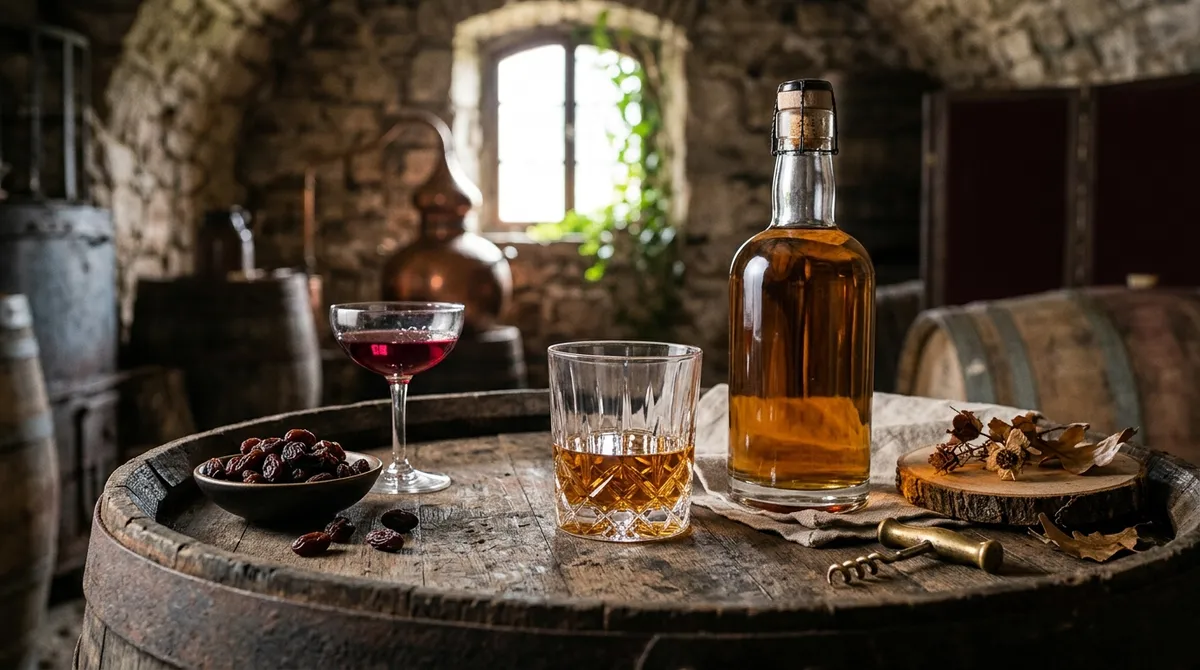
Per the brief, the flavor profile combines the distillery's signature sherry cask maturation with the red wine cask finishing — meaning the red wine element is a finishing layer rather than the primary maturation vessel. That distinction matters. The whisky spent the bulk of its life in sherry wood, so the foundation is still very much a GlenDronach: expect the dark fruit, the richness, the depth. The red wine finish then adds something brighter and more structured on top of that base.
Think of it less as a departure and more as an evolution — the same house, redecorated rather than demolished.
Why This Release Matters Beyond the Bottle
Limited-edition anniversary releases from heritage distilleries tend to attract two distinct kinds of buyers: enthusiasts who want to drink something meaningful, and collectors who recognize that bicentennial bottles from distilleries with this kind of reputation don't stay on shelves for long.
Both instincts are valid. For the drinker, the Boynsmill House Edition offers a rare opportunity to try a documented stylistic experiment from a distillery that rarely strays from its formula — and to do so within the context of a milestone that gives the whisky a clear place in the brand's story. These aren't just marketing exercises; they're snapshots of where a distillery stood at a specific point in time.
For the collector, the calculus is straightforward: limited runs tied to round-number anniversaries from established Scottish distilleries have a track record of holding — and often increasing — value. That's not a guarantee, and you should never buy whisky purely as a financial instrument, but the combination of age, provenance, and occasion makes the Boynsmill House Edition the kind of bottle that tends to be discussed for years after the initial release.
How to Approach It If You Find One
If you're hunting for a bottle, a few practical notes worth keeping in mind:
Buy from specialist retailers first. Anniversary editions from distilleries of this profile often sell out at the source quickly, but specialist whisky retailers and auction houses tend to stock them for longer — sometimes at a premium, but with more reliable availability.
Don't rush the pour. A 14-year-old sherry-forward whisky with a red wine finish benefits from time in the glass. Give it ten minutes after you pour, add a small drop of water if you prefer, and let the different cask influences separate before they settle into something cohesive.
Context helps the experience. Knowing that this release sits at a moment of deliberate creative risk for a traditionally conservative distillery changes how you taste it. The red wine notes aren't a gimmick; they're a conversation the distillery is having with itself about what the next century might look like.
The Bigger Picture
The GlenDronach reaching 200 years is a genuine milestone in an industry where distilleries open, close, and reopen with some regularity. Two uninterrupted centuries of production in the Highland tradition — with sherry casks at the center of that identity — is rarer than it sounds.
The Boynsmill House Edition isn't trying to reinvent the distillery. It's marking a moment with something that reflects both where GlenDronach has been and where it's curious to go. For whisky enthusiasts, that combination of heritage and honest experimentation is exactly what makes a limited edition worth seeking out rather than simply adding to a shelf unopened.
If you can find one, open it. That's what it's for.