A nationwide ground stop halted flights across the US, and the US Travel Association is now urging Congress to invest in modern air traffic control infrastructure, per Travelpulse. By the end of this piece you'll know what a ground stop is, why the industry says it's a bigger problem than one bad day, and what you can do to make your next trip more resilient.
What a nationwide ground stop actually is
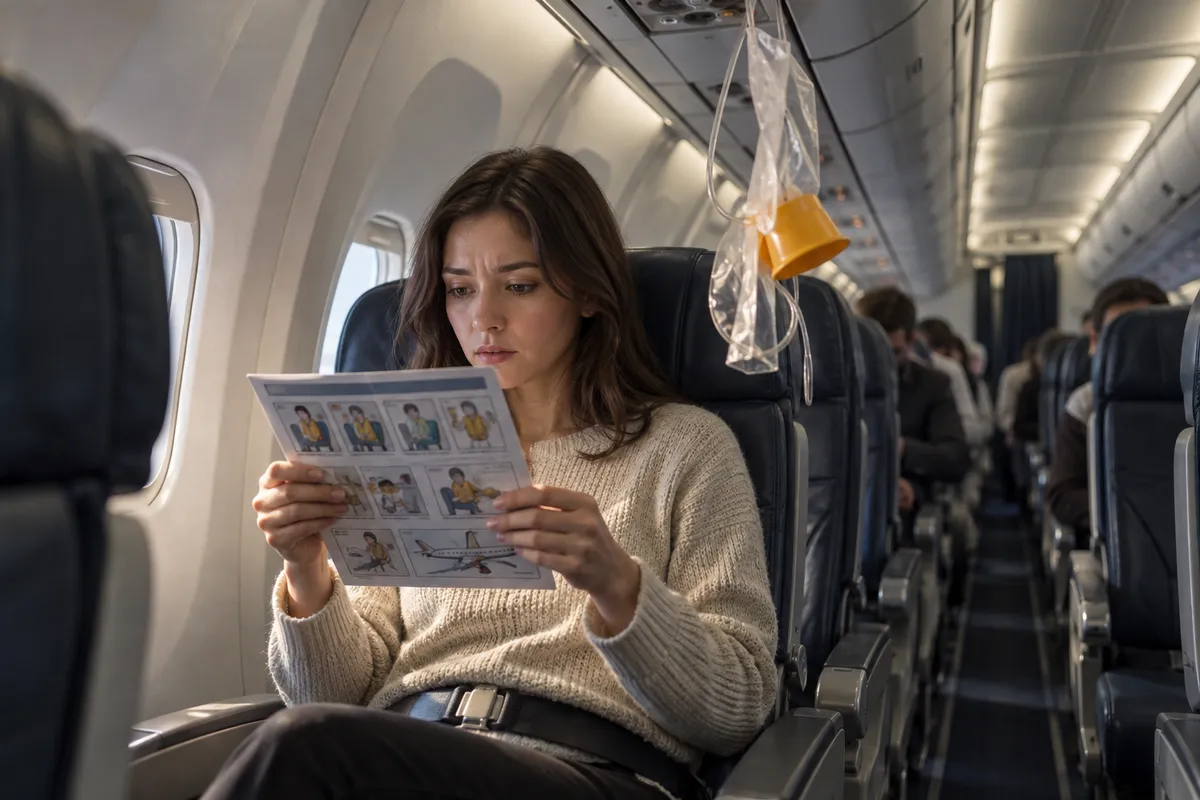
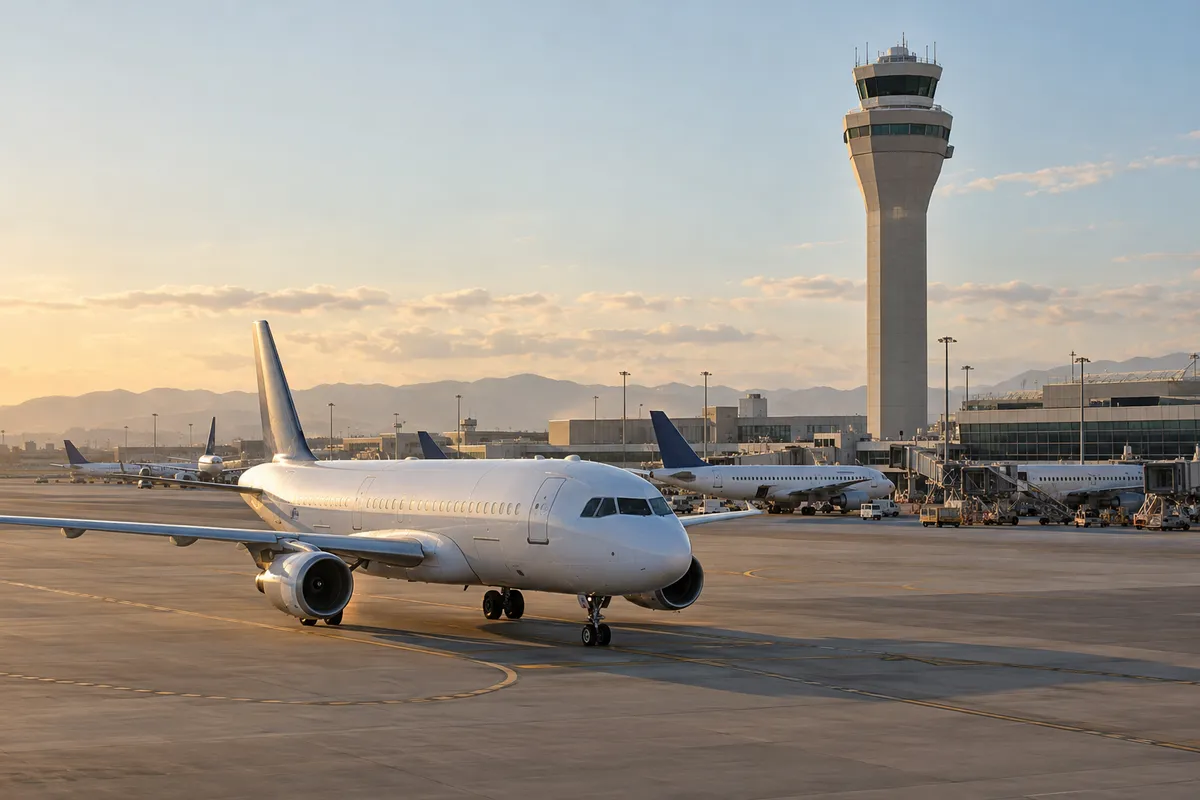
A ground stop is an order that keeps aircraft on the ground instead of letting them take off. When it applies nationwide, departures are held across the system rather than at a single airport. For you, that means a board full of delays, a gate area filling up with frustrated people, and very little clear information about when things will move.
The disruption doesn't end when the order lifts. Planes and crews are out of position, so the knock-on effects can linger. That's general air travel logic rather than a detail from the report, but it's why one pause can wreck a whole day of itineraries.
Why the industry says this is bigger than one bad day
Per Travelpulse's report, the US Travel Association's core argument is that aviation system failures are no longer isolated inconveniences. It frames them as signs of an urgent infrastructure problem, and it is asking Congress to fund modernization of air traffic control.
That's the association's position, and it's worth reading as advocacy: a trade group representing the travel industry has an interest in pushing lawmakers on funding. But the underlying point is easy for any traveler to relate to. If the systems that coordinate flights falter, everything built on top of them wobbles too.
Why it matters beyond the airport
Demand for air travel remains strong, which raises the stakes whenever the system stalls. Disruptions ripple outward to tourism, business travel and local economies. A canceled flight can mean an empty hotel room, a missed meeting, an unsold restaurant table, or a tour that runs with fewer guests.
That's the business case travel leaders are making to Congress: reliability isn't just a passenger-comfort issue, it's an economic one.
How to make your trip more disruption-proof
You can't control air traffic control. You can control how exposed your plans are when it falters. These are practical habits rather than claims from the report.
Book earlier flights in the day
Morning departures leave more room to rebook later the same day if things go sideways. Late flights offer fewer fallback options.
Build in buffer around fixed commitments
If you're flying to a wedding, a cruise departure or a big meeting, arrive the day before. Don't plan to land hours ahead of the event.
Keep your essentials in your carry-on
Medication, chargers, a change of clothes and key documents should stay with you. If you're stuck overnight, you'll be glad they did.
Know your rebooking routes before you need them
Save your airline's app and phone number, and check alternative flights yourself while you wait in the customer service line. Often the app is faster than the desk.
Check your airline's policy and your coverage
Airline policies on delays and cancellations differ, and travel insurance or credit card protections vary too. Read the terms before you travel, not at the gate.
What to watch next
The open question is whether Congress responds. The association is pressing for investment in air traffic control infrastructure, but the report as summarized doesn't detail specific funding amounts or timelines, so it's too early to say what, if anything, will change. Keep an eye on how lawmakers react.
The takeaway
Treat flight disruptions as a planning variable, not a freak event: pad your itinerary, carry the essentials, and know your rebooking options before you leave home.