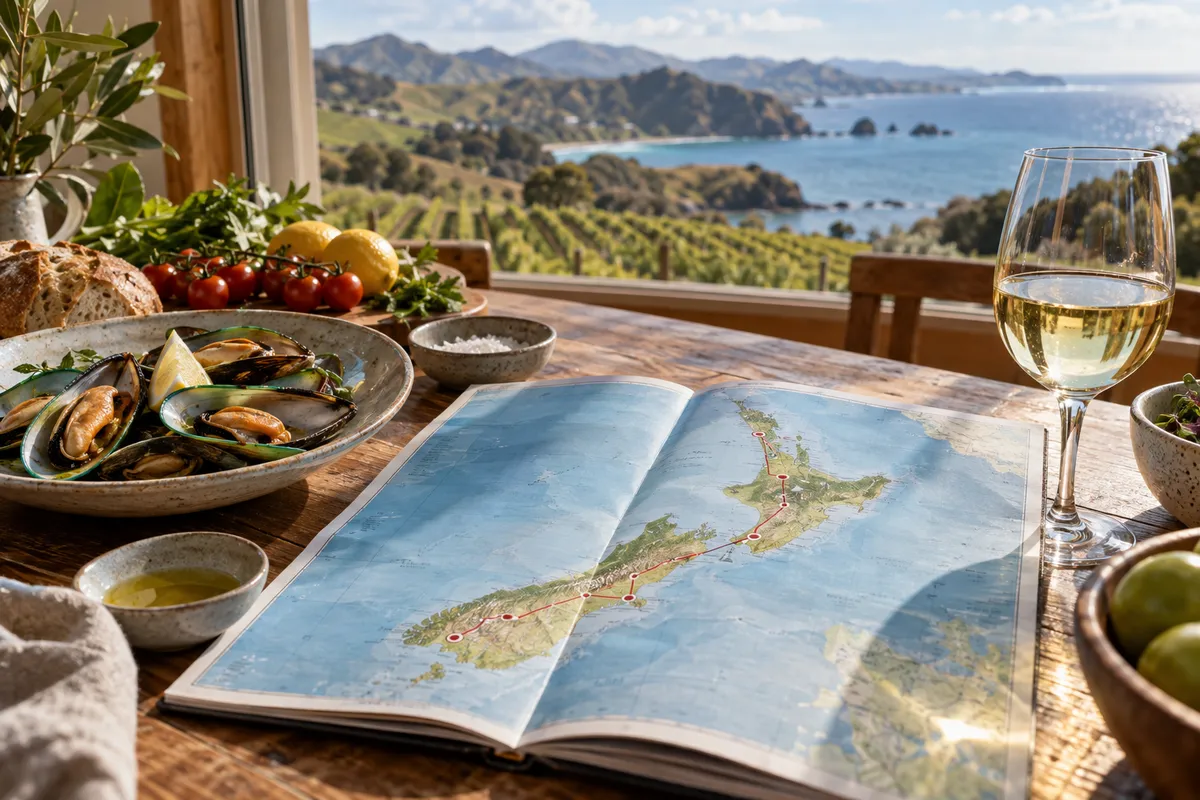
Food tourism is becoming a major force in travel, according to a recent piece from Meer's English edition. Culinary experiences are increasingly shaping where people go and how they explore once they arrive. If you've ever picked a destination because of one dish, you're already part of it.
This guide shows you how to turn that instinct into a plan: build an itinerary where food is the spine of the trip and landmarks are the side dishes.
Why food is moving to the center of the trip
The Meer piece points to a broader shift: travelers are prioritizing authentic, local, and experience-led trips. Food fits that preference neatly. A market stall, a family-run restaurant or a farm visit puts you inside a place's daily life in a way a photo stop at a monument rarely does.
That doesn't mean skipping the big sights. It means deciding what you want to eat and learn first, then fitting everything else around it.
Step 1: Pick your destination by its food
Start with the question "What do I want to taste?" rather than "What do I want to see?" Write down three dishes or food traditions you're curious about. Look for the places where they originate or where they're done with the most local pride.
A few ways to narrow it down:
- Choose a region known for one specialty rather than a whole country
- Pick somewhere with a visible market culture, so you have daily anchors
- Consider destinations where farms or producers are within reach of town
Step 2: Build the days around meals
Treat meals as fixed appointments and let the rest flex. A simple structure:
- Morning: a market visit or a local breakfast spot
- Midday: your main sit-down meal, booked or scouted in advance
- Afternoon: a walk, a landmark or a rest, placed near where you'll eat next
- Evening: street food or a casual local favorite
Cluster your sightseeing near your food stops. You'll waste less time in transit and see neighborhoods you'd otherwise skip.
Step 3: Mix the formats
The Meer brief names markets, restaurants, street food, farms and local traditions as the ways travelers discover a destination through food. Use all of them. Each shows you something different.
Markets
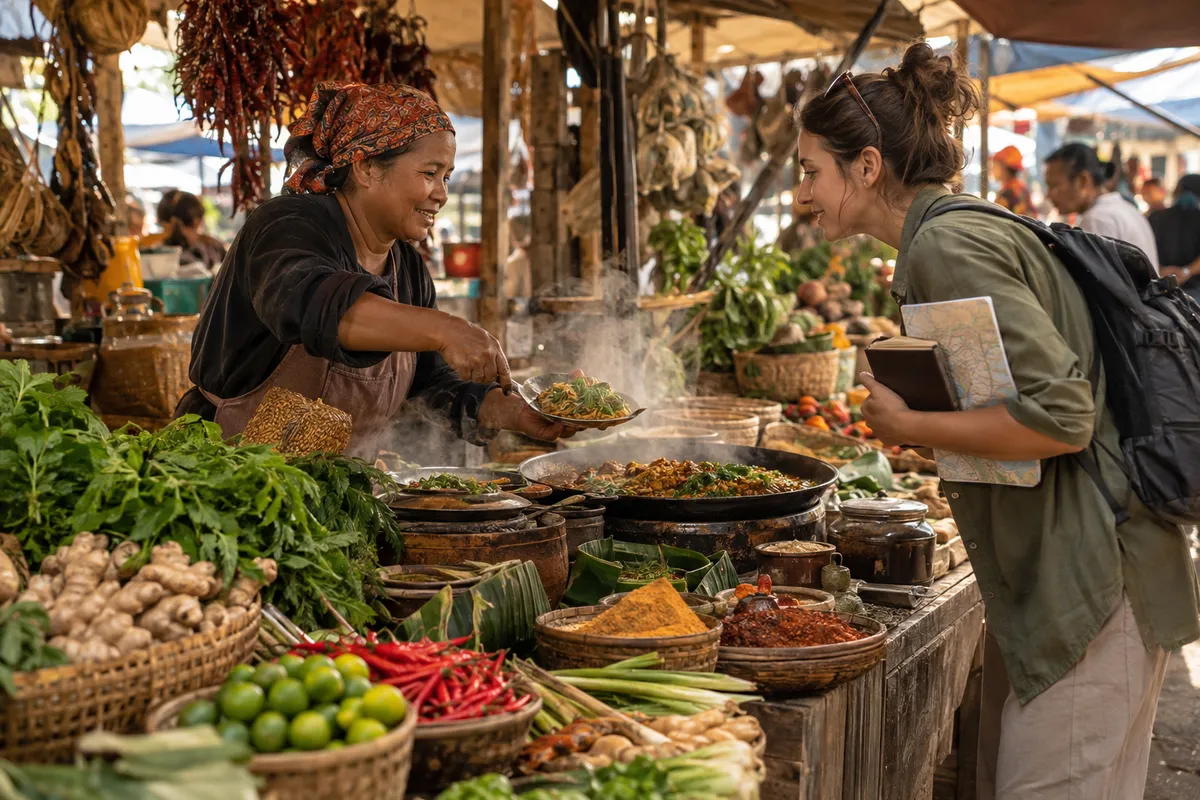
Go early, walk the full loop before buying, and ask vendors what's good this week. It's the fastest way to learn what locals actually cook.
Restaurants
Book one or two meals you really care about, and leave the rest open. Over-scheduling every dinner takes the discovery out of it.
Street food
This is where you'll often eat the most local dish of the trip, cheaply. Follow the lines of residents, not the signs aimed at tourists.
Farms and producers
If the destination offers a farm visit or a producer stop, it connects the plate to the place. It also gets you out of the city center.
Local traditions
Seasonal dishes, festival foods and household rituals around eating tell you what a place values. Ask your host or guide what people cook at home, not just what's on menus.
Step 4: Find the food experiences most visitors miss
The easiest wins are the least glamorous. Eat where the menu is short. Visit a market on a weekday morning rather than at peak weekend tourist time. Ask a local, such as a guesthouse owner, a shopkeeper or a taxi driver, where they'd take their own family. Then go to that place rather than the one at the top of every list.
One caution: I can't tell you from the Meer piece which specific hidden spots matter in any given city, so treat these as habits rather than a hit list. The research is yours to do, and that's part of the fun.
Step 5: Eat in a way that helps the people who feed you
Food tourism matters to tourism boards and hospitality brands, per the Meer piece, and it matters to the communities behind the food too. You can steer your spending in a useful direction:
- Buy directly from market vendors and small producers
- Choose locally owned restaurants over international chains
- Ask where ingredients come from, and order what's in season
- Pay fairly, and be curious rather than treating a meal as a photo prop
The more your money lands with the cooks, growers and families, the more likely the traditions that drew you in will still be there for the next visitor.
A simple one-day template to steal
Pick a city with a good central market. Have a local breakfast near it, spend the morning browsing and tasting, then book a long lunch at a restaurant serving the region's signature dish. Spend the afternoon at one landmark within walking distance. End with street food chosen by whoever you trust locally. You've seen the place, eaten the place, and left room for surprises.
The takeaway
Before you book your next flight, write down the three dishes you most want to eat, and let those choose your destination and your first three days.