
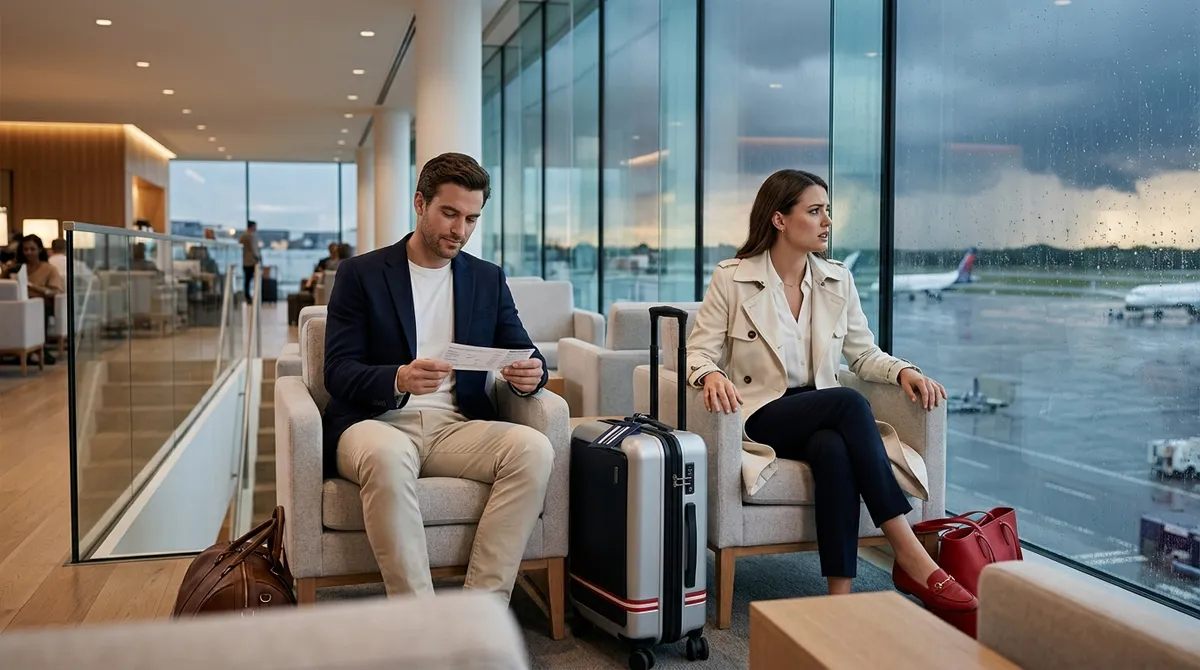
The Rise of Relationship Testing Through Travel
A new dating phenomenon called "turbulence tests" is transforming how couples evaluate their compatibility. According to reports, this emerging trend involves partners using travel experiences to quickly assess how well they handle stress, unpredictability, and extended close-quarters time together.
The concept centers on the idea that trips can reveal crucial relationship dynamics—including communication styles, adaptability, and core values—much faster than traditional dating scenarios. Rather than waiting months to understand a partner's true nature, couples are fast-tracking their relationship assessments through shared travel experiences.
Why Travel Has Become a Dating Litmus Test
As travelers increasingly seek more intentional experiences and dating culture shifts toward faster clarity, vacations are emerging as powerful relationship evaluation tools. The trend reflects a broader cultural movement where people want to understand compatibility sooner rather than later in their romantic journeys.
Travel naturally creates situations that test partnership dynamics. From navigating airport delays to making spontaneous decisions about dinner plans, trips generate the kind of real-world scenarios that reveal how couples function as a team. According to reports, these experiences can expose red flags and compatibility issues much more efficiently than typical dating activities.
The Hotel Industry Capitalizes on Romance Testing
Recognizing this shift in travel motivations, hotels are beginning to package romance as a marketable dating experience. The hospitality industry is developing specialized packages and perks designed specifically for couples looking to test their relationship dynamics during their stay.
This commercialization of the turbulence test trend shows how romance travel is evolving beyond traditional honeymoon and anniversary celebrations. Hotels are positioning themselves as facilitators of relationship discovery, offering experiences designed to help couples understand their compatibility.
Identifying Real Compatibility Signals
For couples considering a turbulence test, understanding what behaviors actually indicate compatibility versus normal travel stress becomes crucial. According to reports, the strongest approach involves helping people distinguish between useful relationship signals and temporary vacation chaos.
Travel red flags that tend to surface quickly during trips can provide valuable insights into long-term compatibility. However, experts suggest that couples should be careful not to overinterpret normal travel stress as fundamental relationship problems.
Planning Effective Compatibility Trips
For those interested in conducting their own turbulence test, the key lies in planning low-stakes experiences that still generate meaningful insights. The best first-trip ideas for new couples typically involve manageable challenges that reveal personality traits without creating overwhelming pressure.
According to reports, successful turbulence tests should inform relationship decisions rather than definitively decide them. The goal is gathering information about compatibility, not creating make-or-break scenarios that force premature relationship conclusions.
The Psychology Behind Travel Testing
The appeal of turbulence testing reflects broader changes in modern dating culture. As people become more intentional about their relationship choices, they're seeking efficient ways to evaluate long-term compatibility without investing excessive time in incompatible partnerships.
Travel provides a unique laboratory for observing how partners handle various challenges together. From problem-solving under pressure to adapting to unexpected changes, trips create opportunities to witness authentic responses that might not emerge during typical dating activities.
Balancing Insights with Realistic Expectations
While turbulence tests can provide valuable compatibility insights, relationship experts emphasize the importance of maintaining realistic expectations. Travel stress doesn't always reflect how someone handles everyday life challenges, and vacation behavior shouldn't be the sole basis for major relationship decisions.
The most effective approach involves using travel experiences as one data point among many in the relationship evaluation process. According to reports, the trend works best when couples view their trips as opportunities to learn about each other rather than pass-or-fail relationship tests.
As this dating trend continues to evolve, it represents a fascinating intersection of travel culture and modern romance, where vacation experiences become windows into long-term compatibility potential.